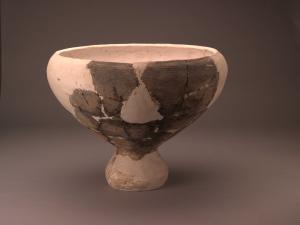
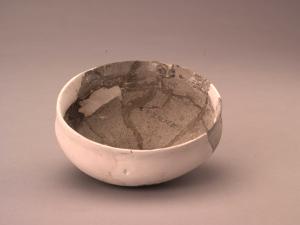
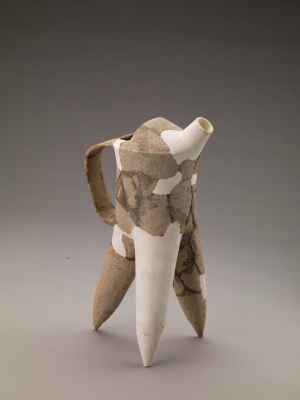
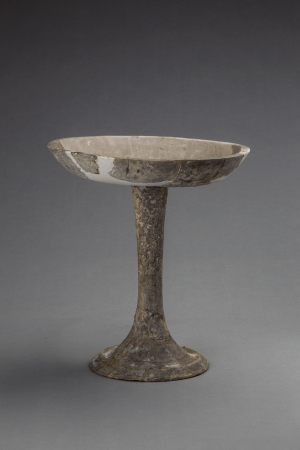
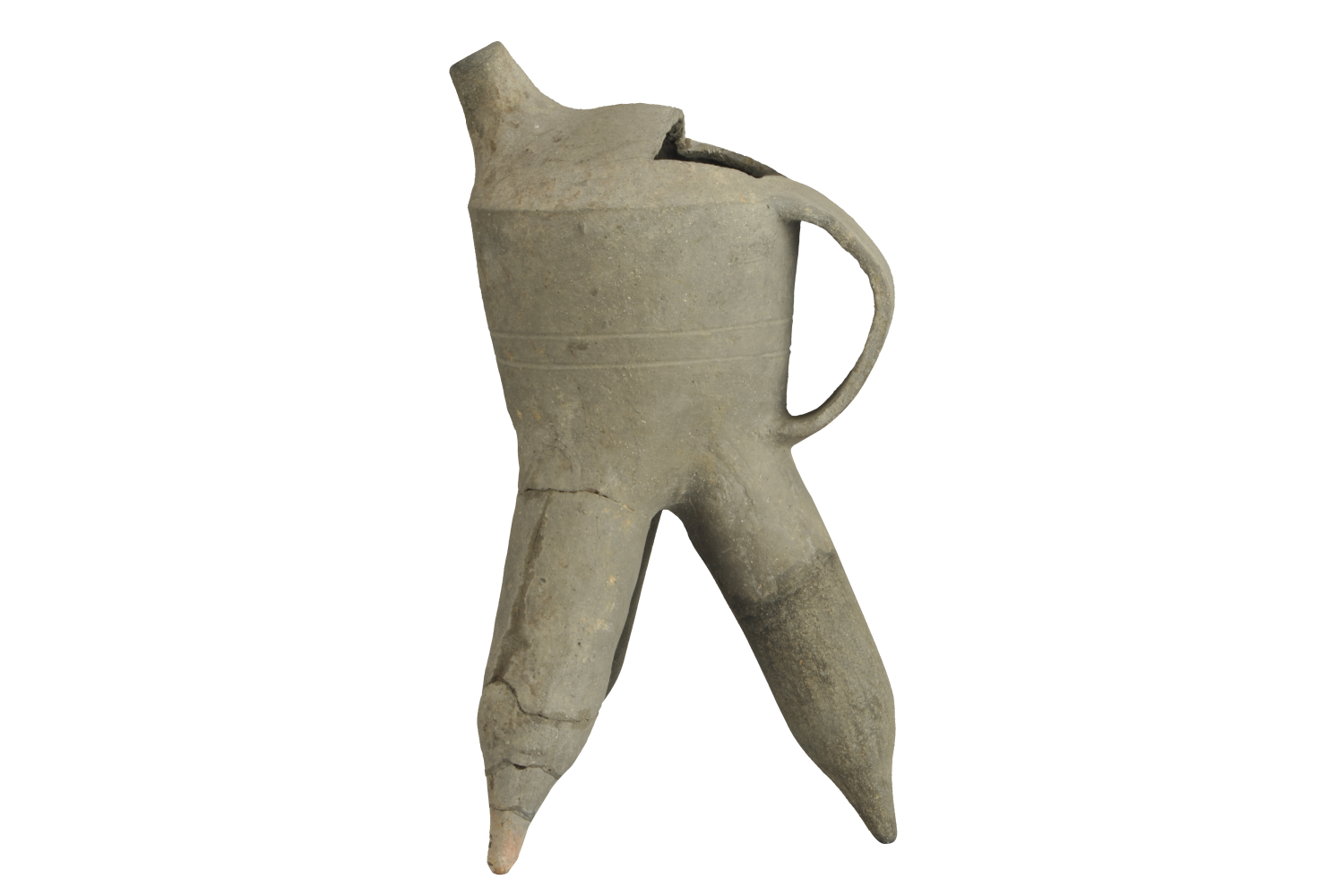
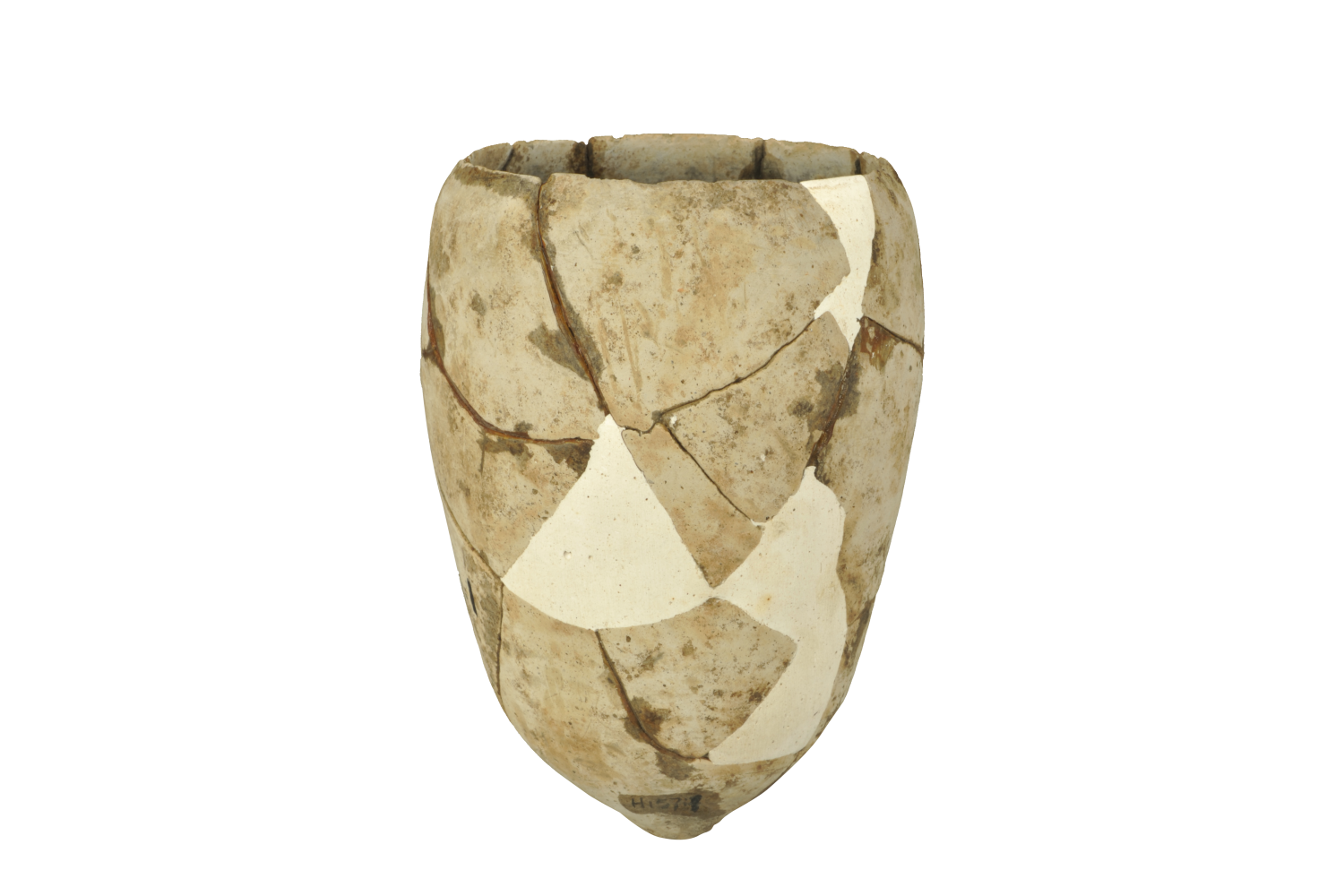
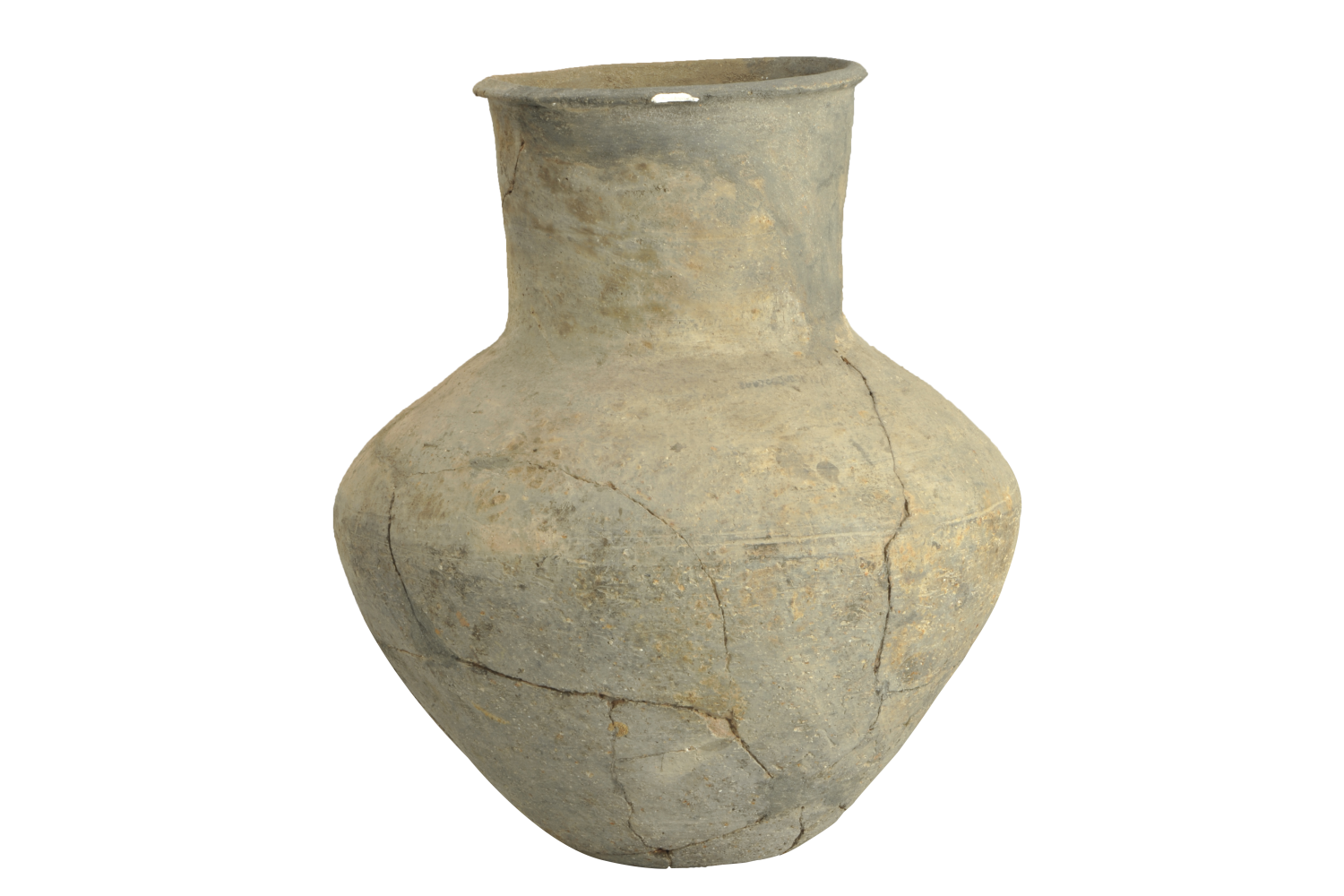
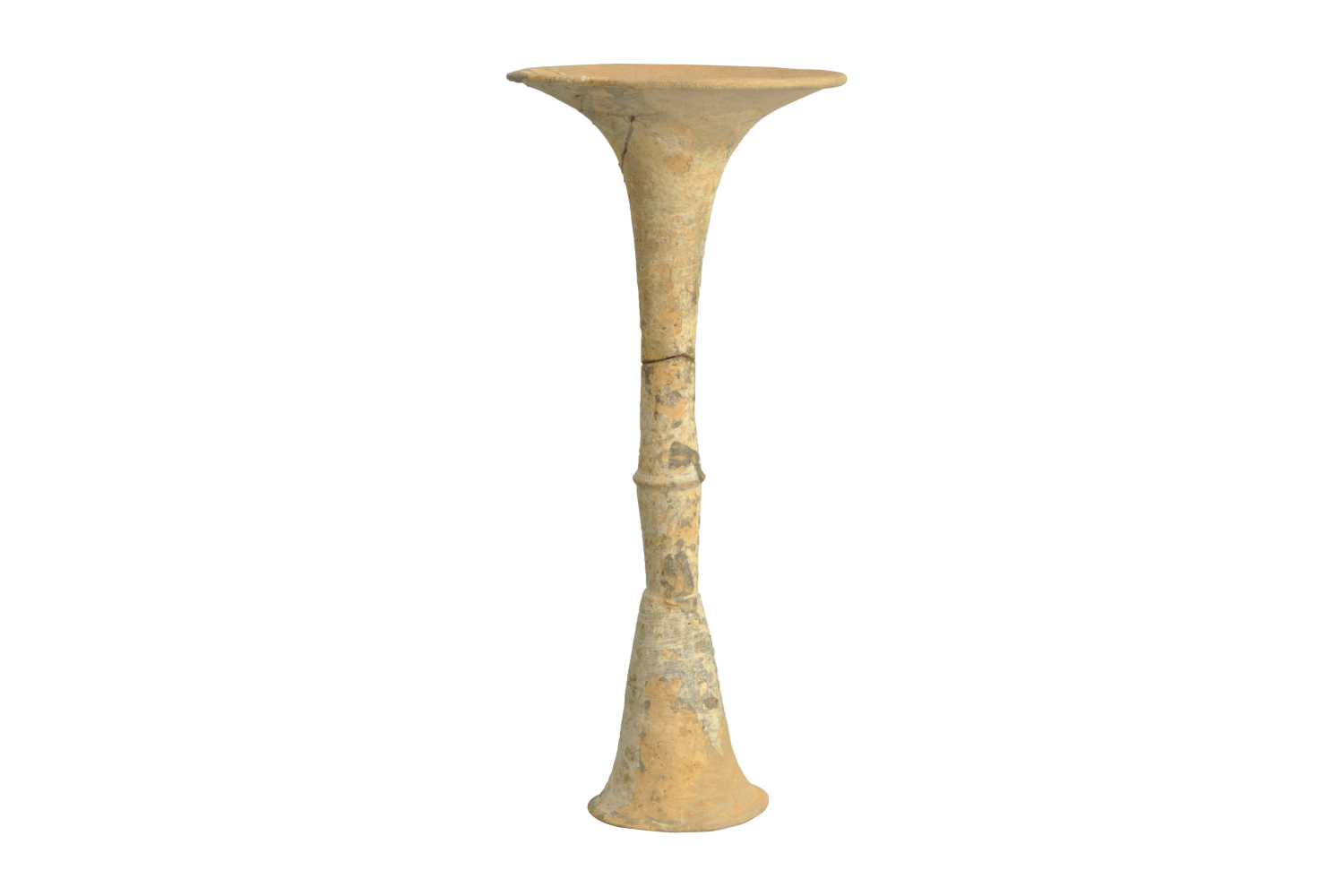
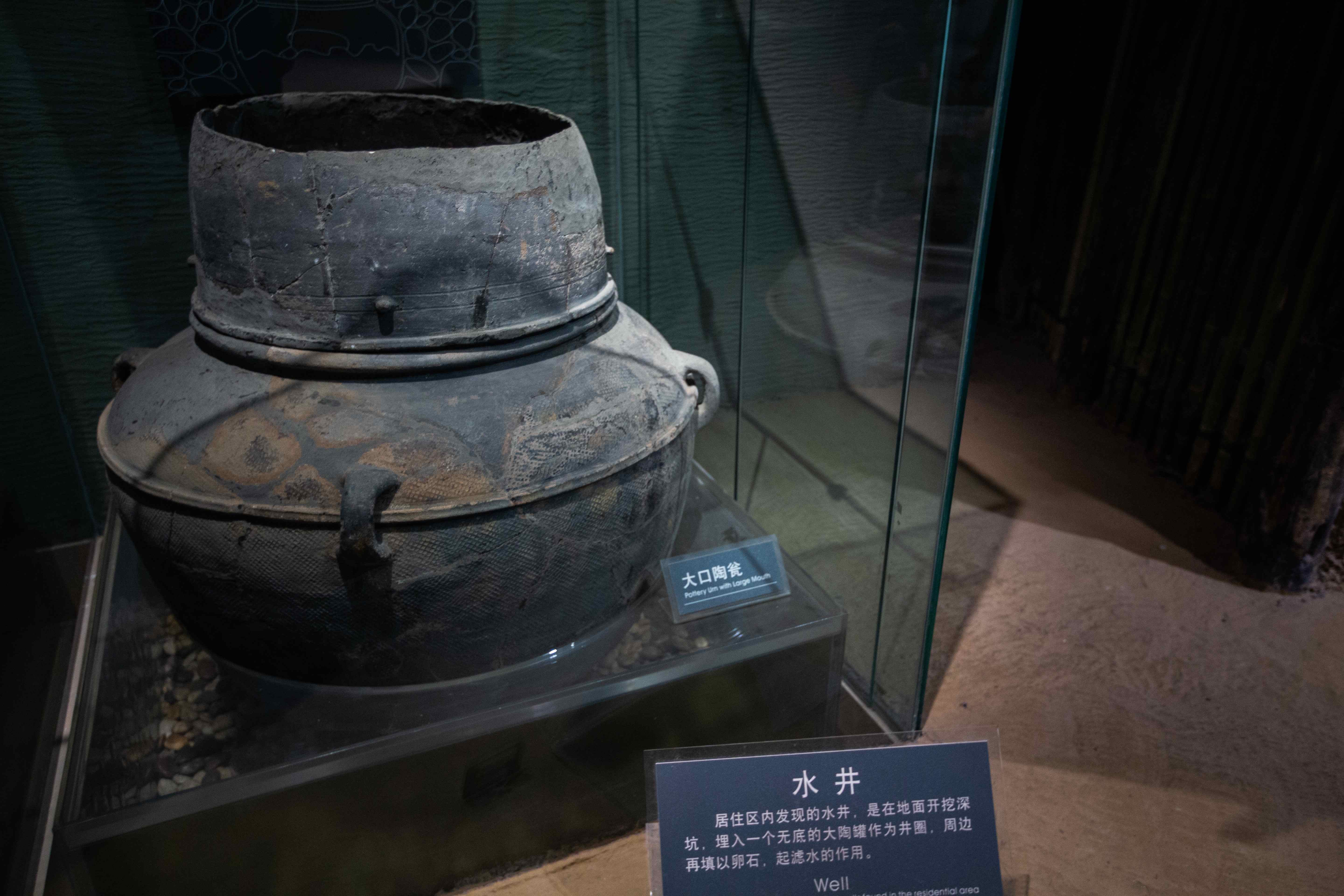
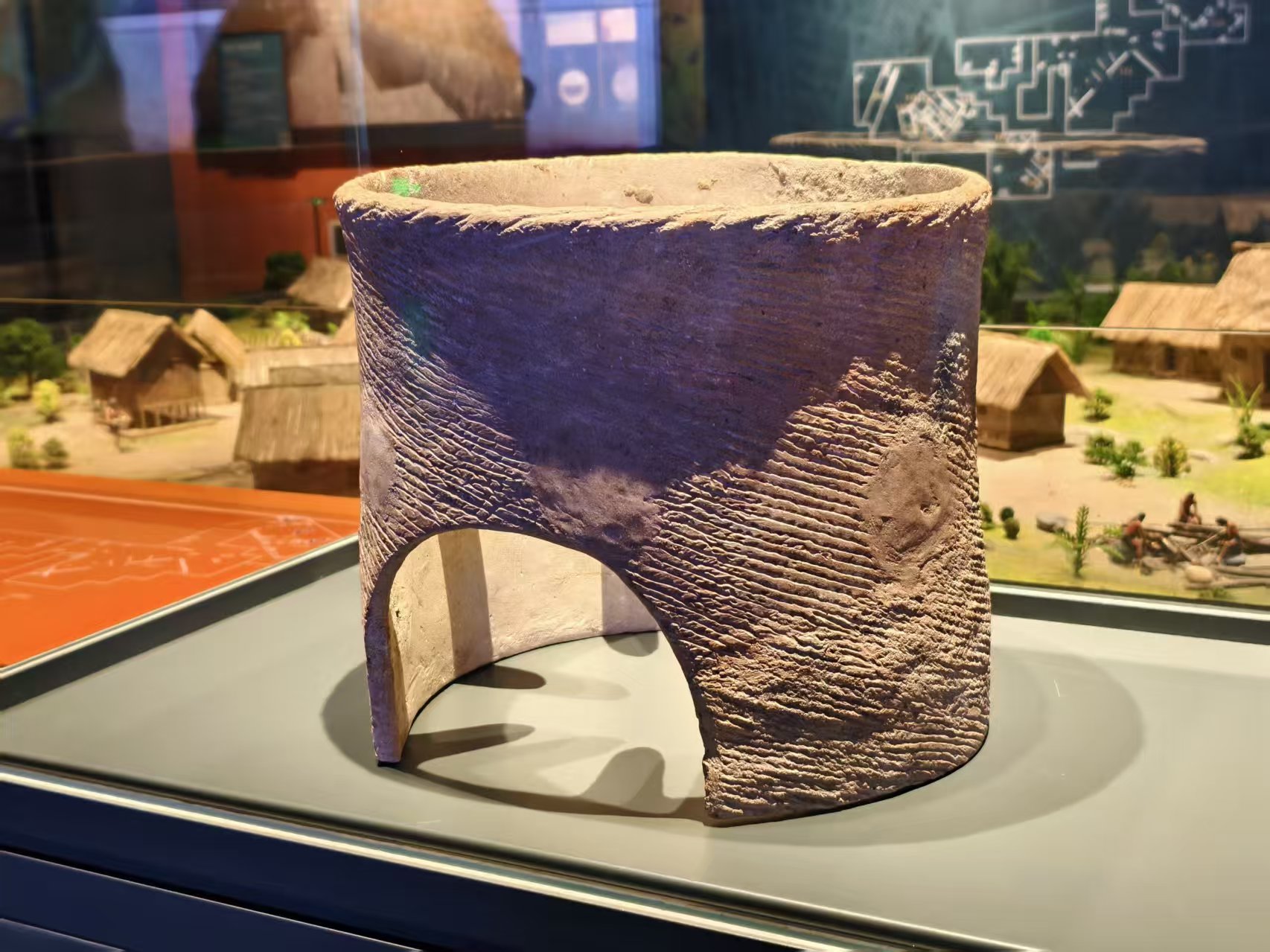
Sanxingdui and Jinsha form the core site complex of an early regional state—the ancient Shu kingdom—established by its people on the Chengdu Plain. Together, they represent the pinnacle of the Bronze Age achievement in the upper Yangtze River region of China, serving as tangible testament to the historical accounts of the ancient Shu kingdom in Chinese records. Spanning thousands of years, the ancient Shu civilization has left behind a remarkable array of precious artifacts, including gold, bronze, jade, stone, and ivory. These relics illuminate a society with distinct theocratic beliefs, profound cosmological views, masterful craftmanship, and the evolving trajectory of its social development.
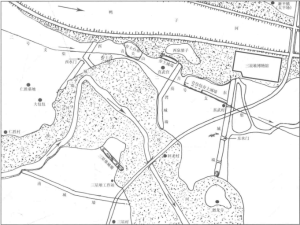
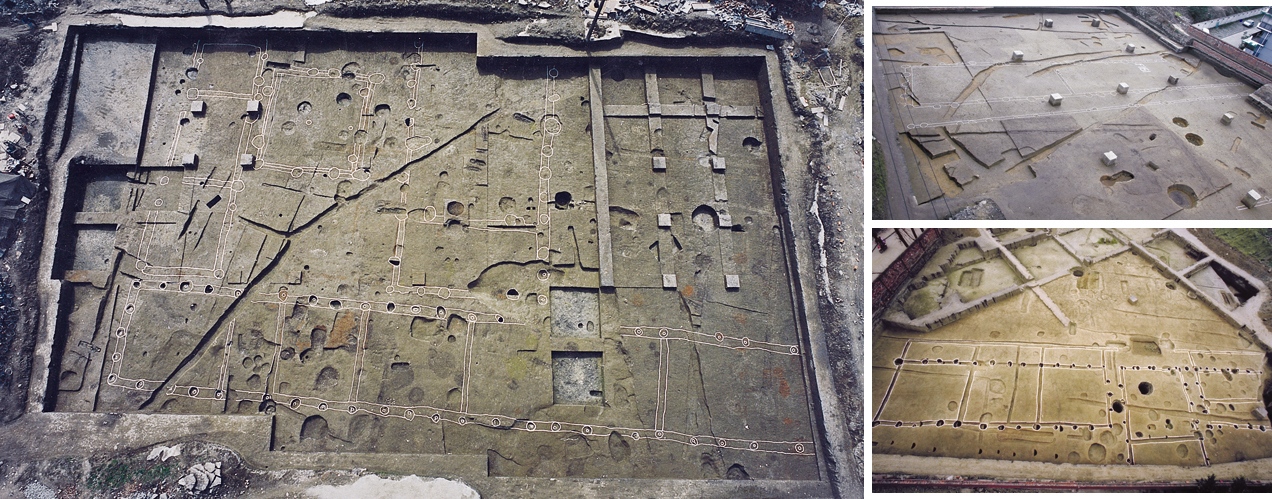
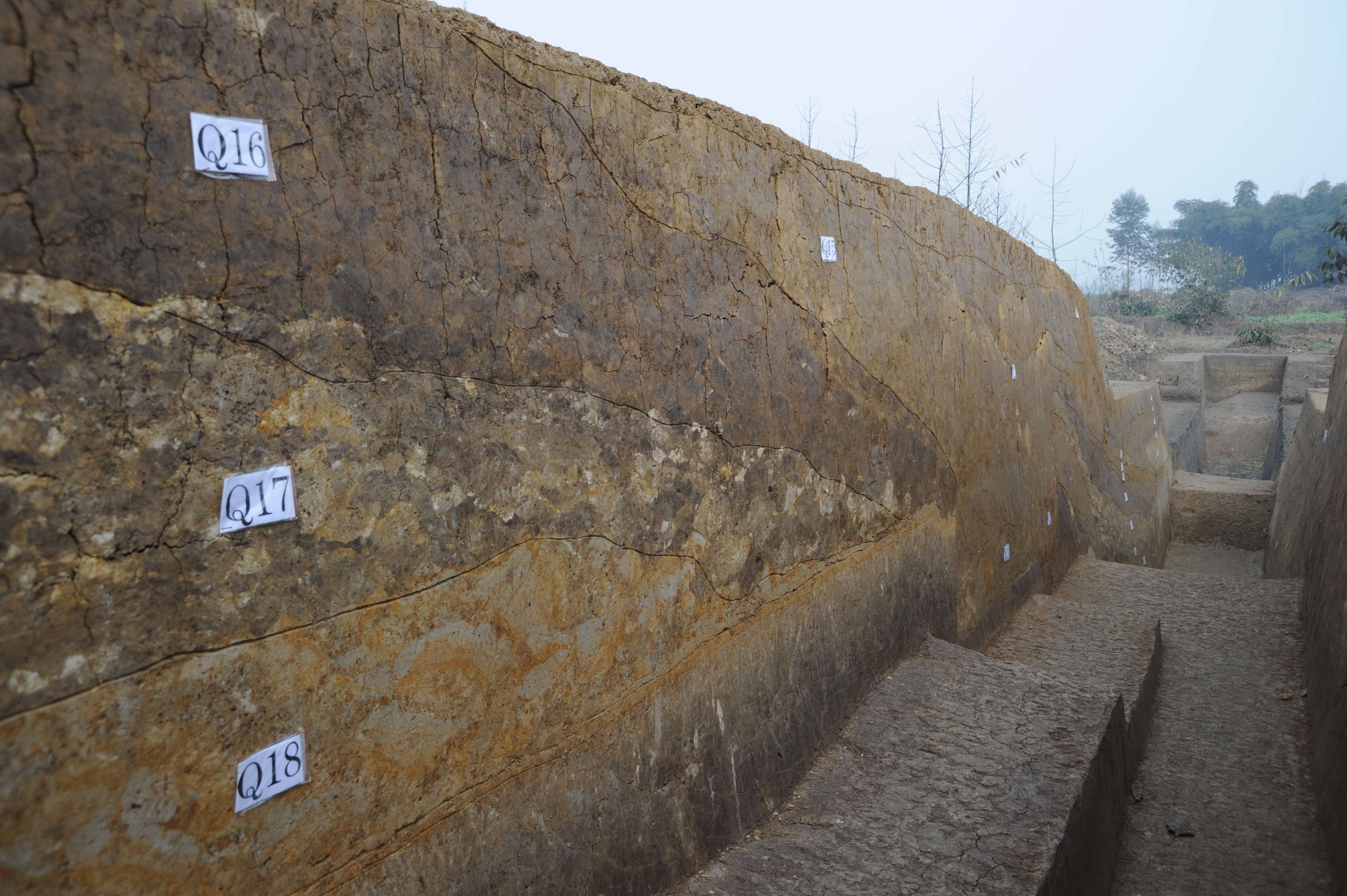
The development of ancient Shu civilization unfolded a relay of urban settlements cross millennia. The Baodun culture (3700–4500 years ago) built the earliest prehistoric walled settlements on the Chengdu Plain. Then Sanxingdui emerged as the preeminent capital of the ancient Shu kingdom, creating a spectacular bronze civilization. Around 1100 BCE, Jinsha took up the torch, becoming the new political and cultural center of the ancient Shu while preserving and advancing its foundational beliefs and craftsmanship. From the defensive system of “city wall and moat” and prehistoric settlement layout of Baodun, to the fully articulated capital layout of Sanxingdui—comprising a palace area, a dedicated craft production zone, and large-scale ritual architecture—and onward to the systematic planning of Jinsha with its palace complex, residential quarters, and workshop districts, the evolution of ancient Shu cities reflects not only advances in architectural technology but also the very social fabric and trajectory of ancient Shu civilization itself. In its entirety, this urban sequence traces a clear arc, from its inception to its peak, and from city-states to capital cities.