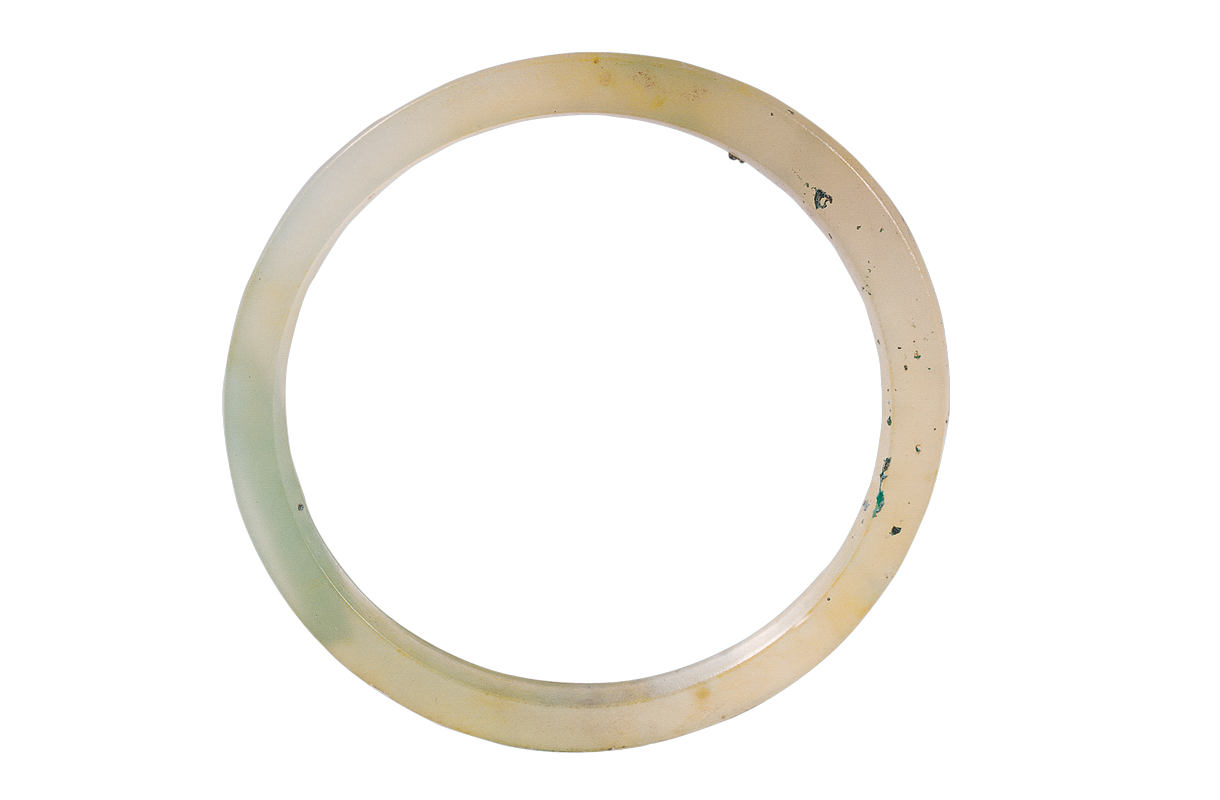
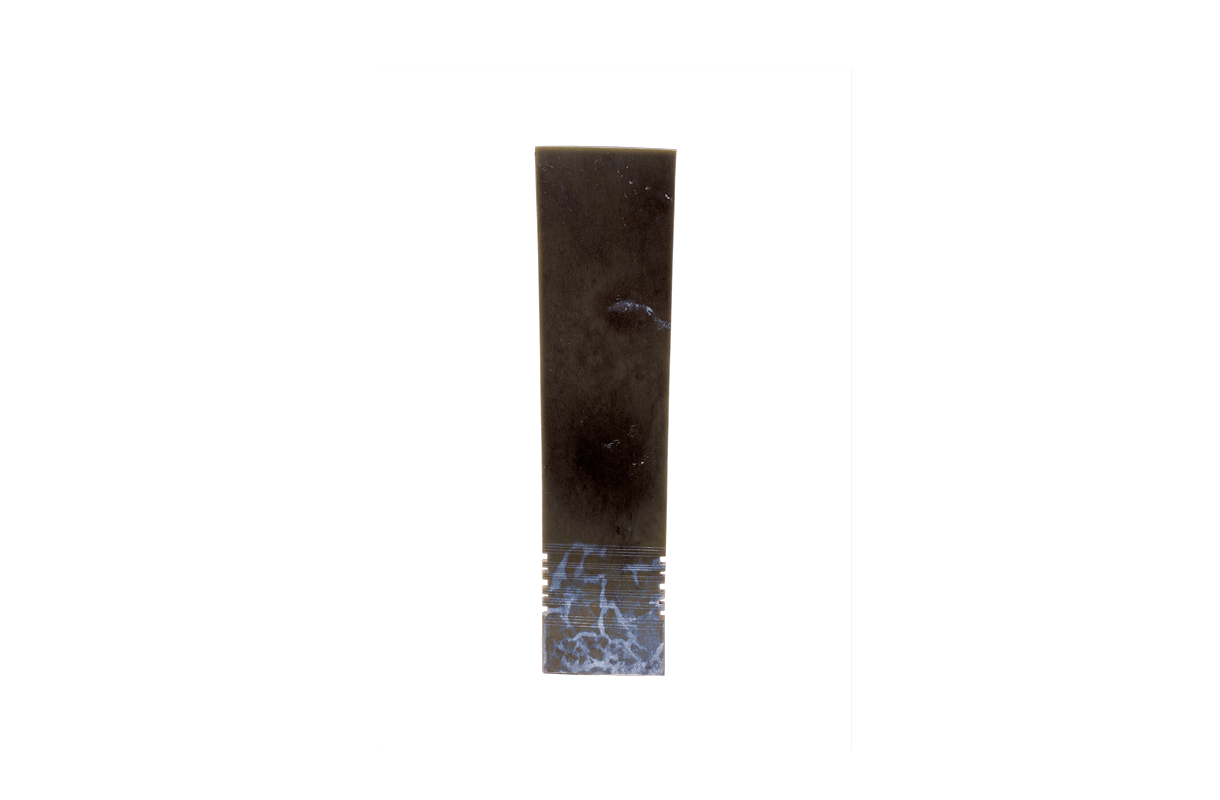
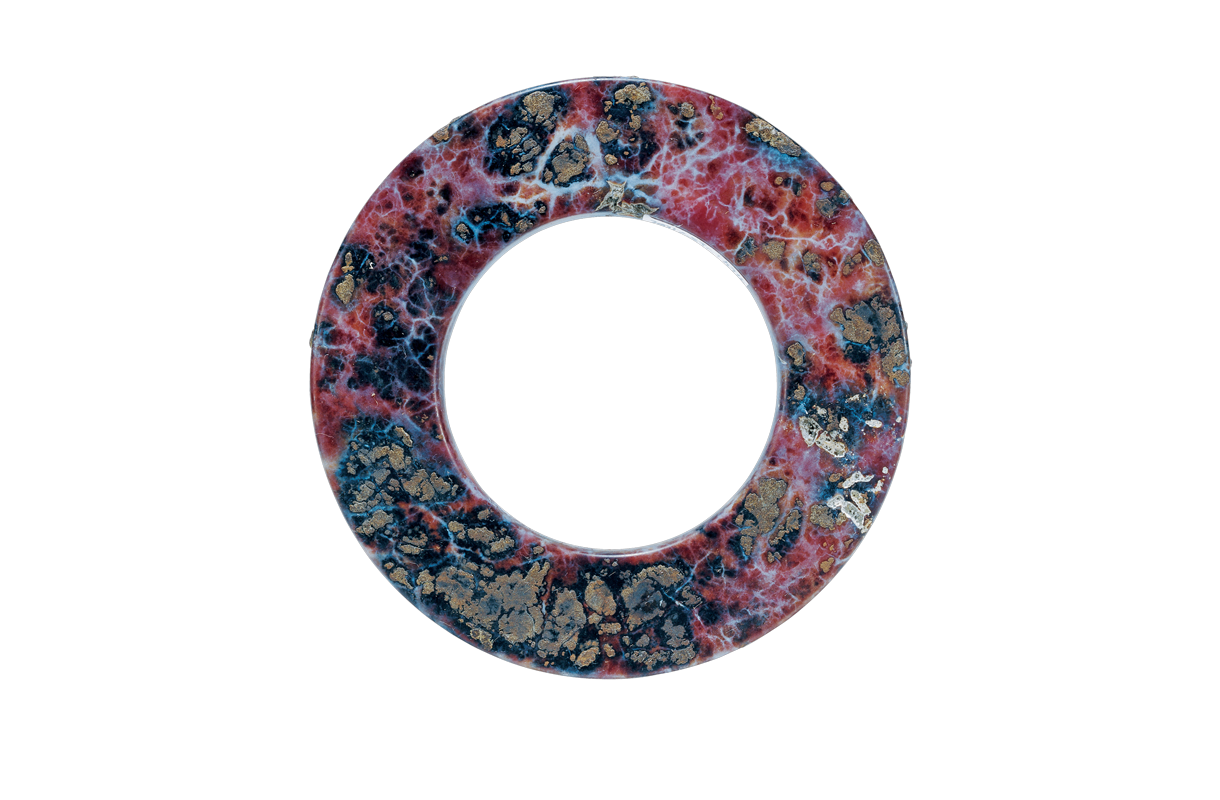
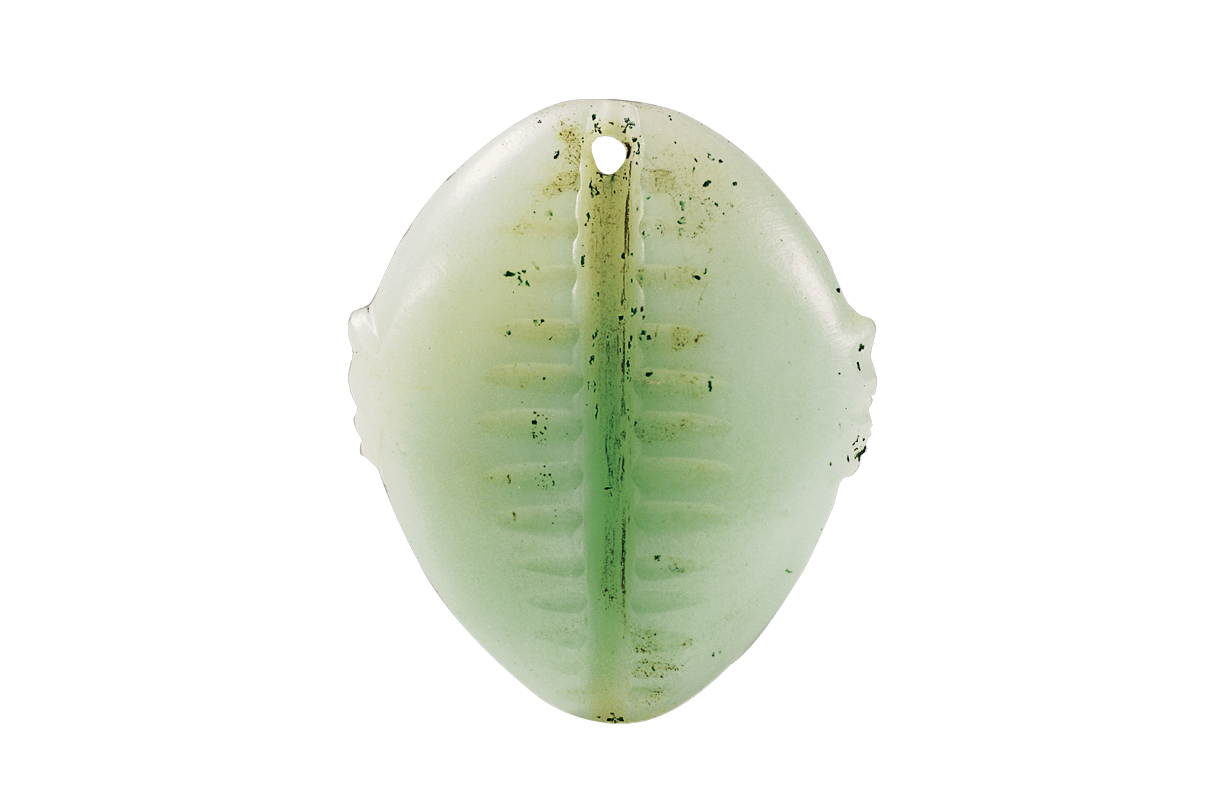
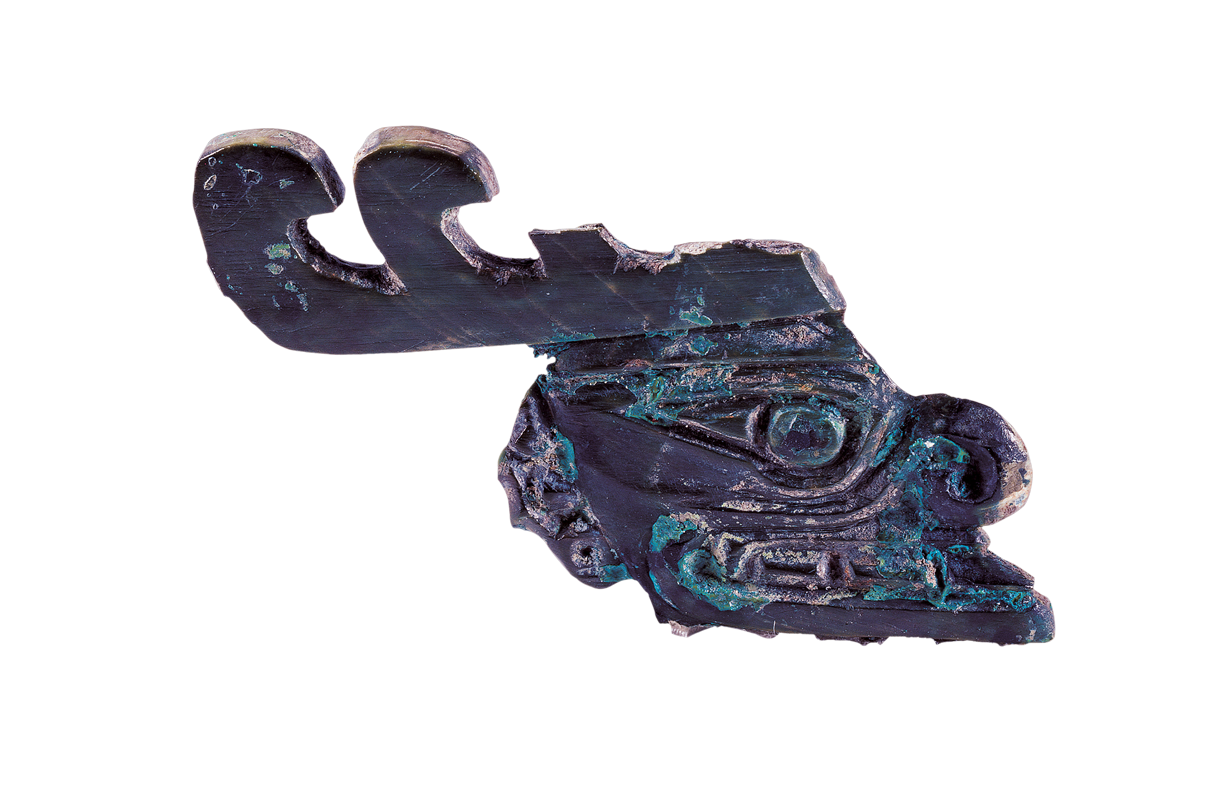
Sanxingdui and Jinsha form the core site complex of an early regional state—the ancient Shu kingdom—established by its people on the Chengdu Plain. Together, they represent the pinnacle of the Bronze Age achievement in the upper Yangtze River region of China, serving as tangible testament to the historical accounts of the ancient Shu kingdom in Chinese records. Spanning thousands of years, the ancient Shu civilization has left behind a remarkable array of precious artifacts, including gold, bronze, jade, stone, and ivory. These relics illuminate a society with distinct theocratic beliefs, profound cosmological views, masterful craftmanship, and the evolving trajectory of its social development.
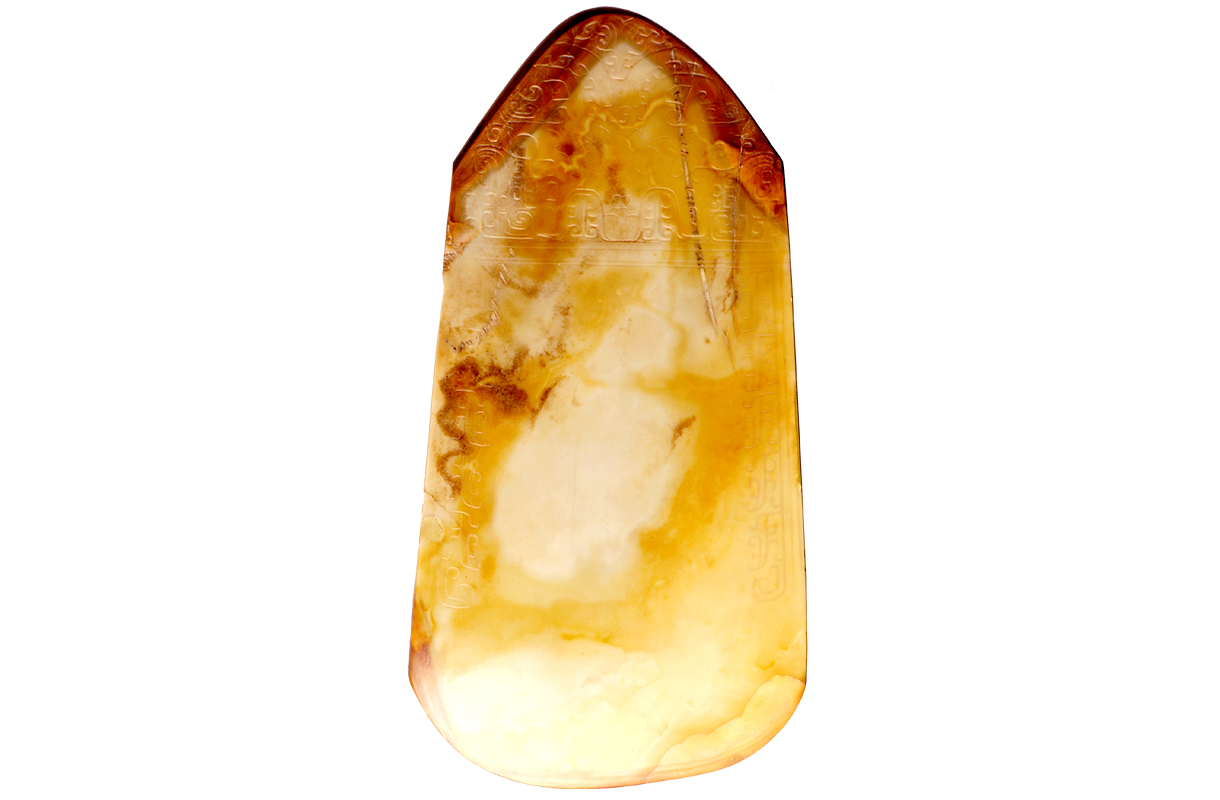
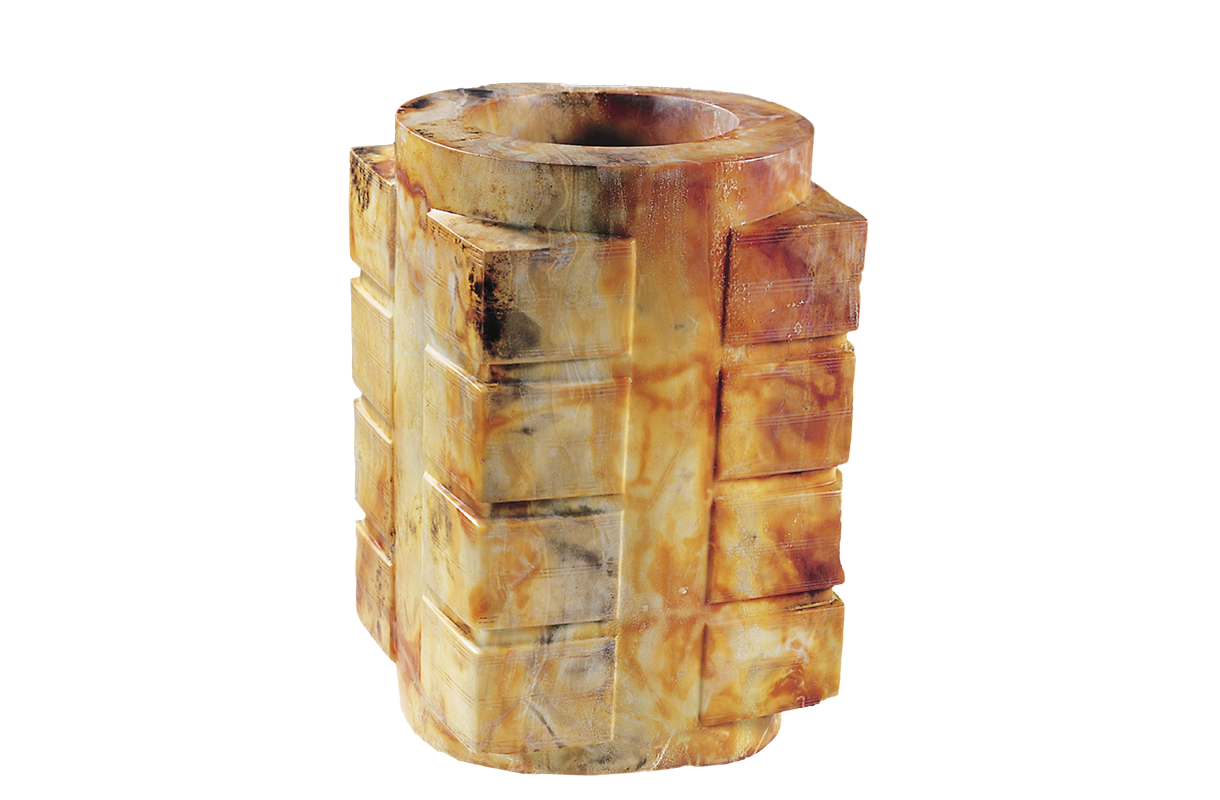
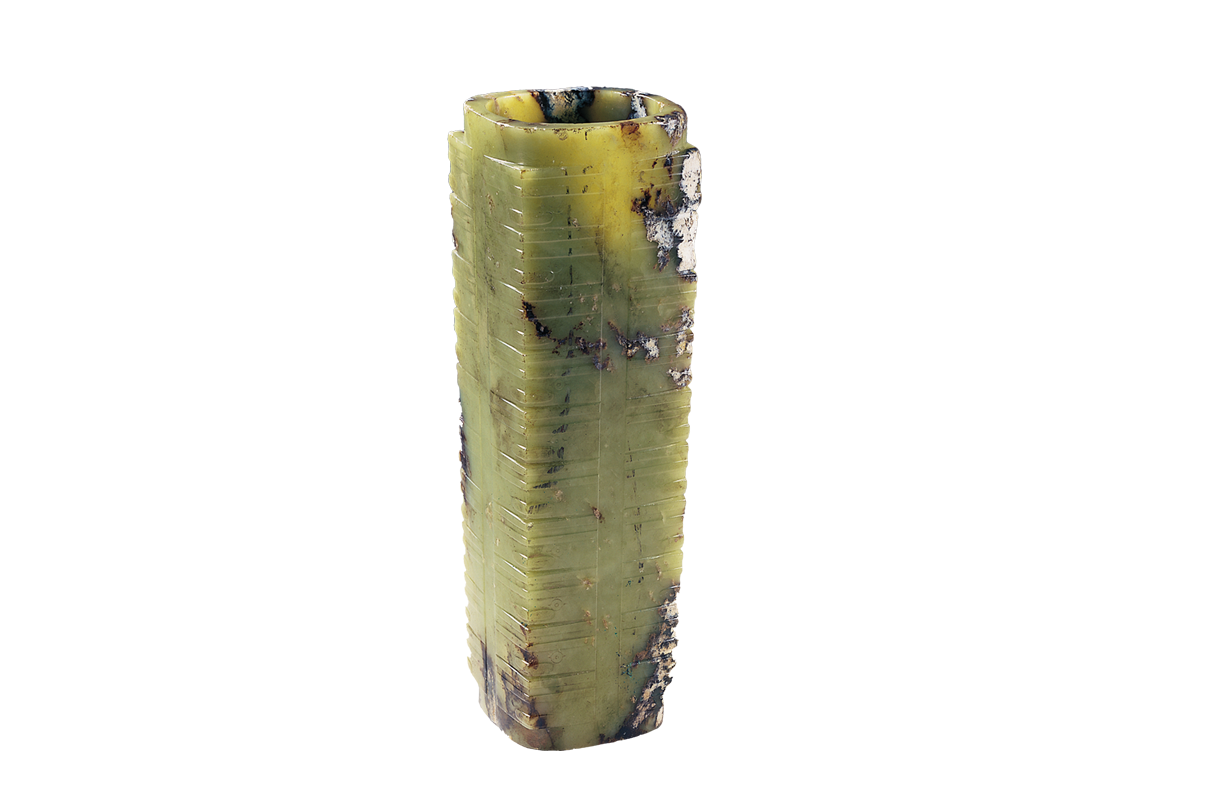
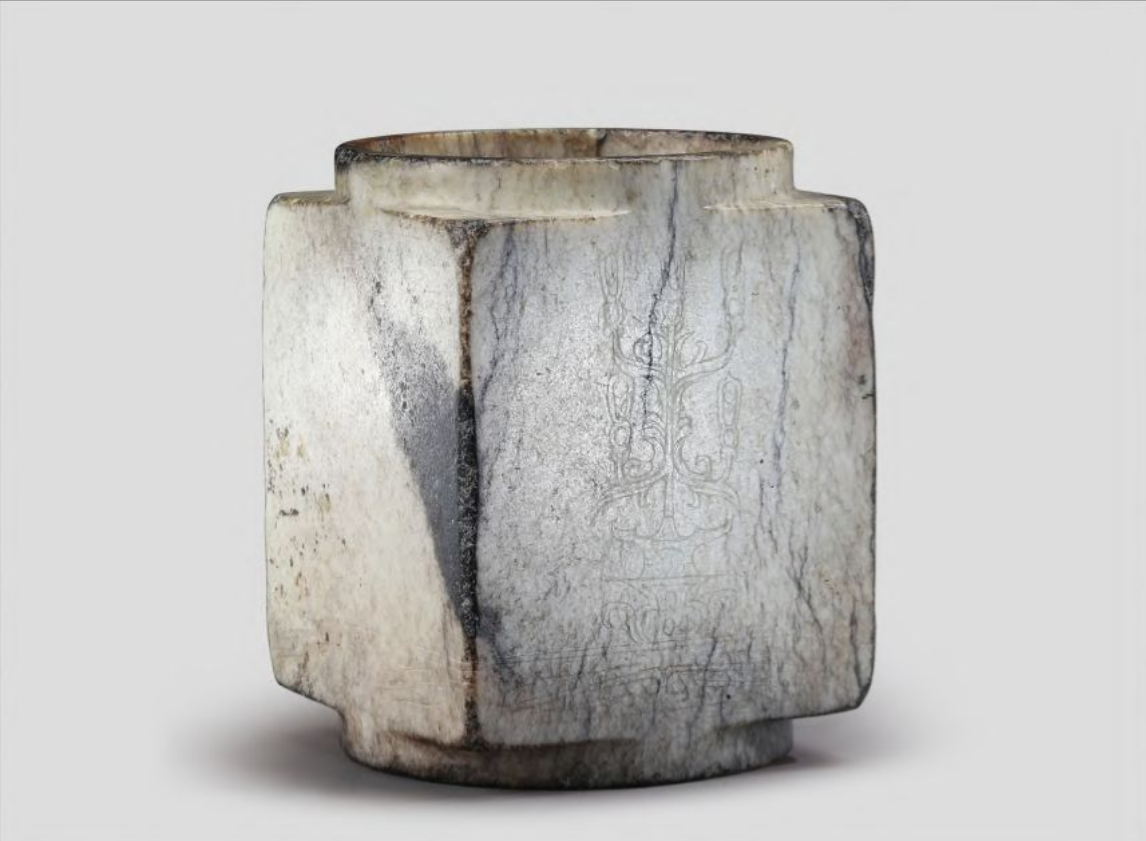
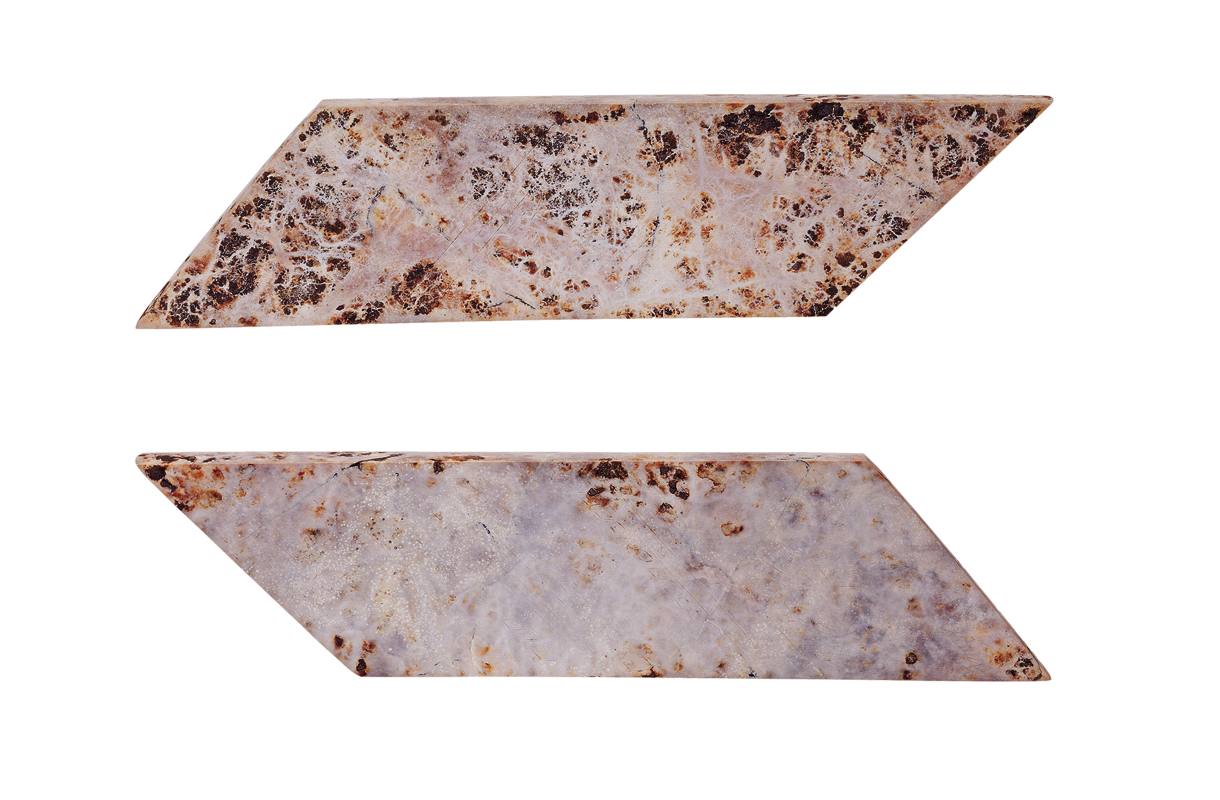
In ancient Shu civilization, jade served as the principal ritual medium connecting the human realm and the divine. From the early jade ornaments of the Baodun culture to the zhang blades, bi discs, and cong tubes of Sanxingdui and Jinsha, the veneration of jade endured as a defining thread throughout the arc of Shu civilization. Most of the raw jade material was sourced from distant lands and was finely carved into objects of profound ceremonial significance, playing a vital role in rites dedicated to heaven, earth, and ancestors. The ten-section jade cong tube unearthed at Jinsha shares an unbroken lineage with those of the Liangzhu culture, witnessing the interaction between ancient Shu civilization and the middle and lower Yangtze River region. Meanwhile, the zhang blades from Sanxingdui—remarkably diverse in form—were the most widely used jade objects in ancient Shu ritual practice. For the ancient Shu people, jade was the material of reverence. Upon its lustrous, tactile surface, they inscribed their awe of the cosmos and their supplications to the spirits, transforming jade into the most exquisite medium for dialogue between heaven and earth.