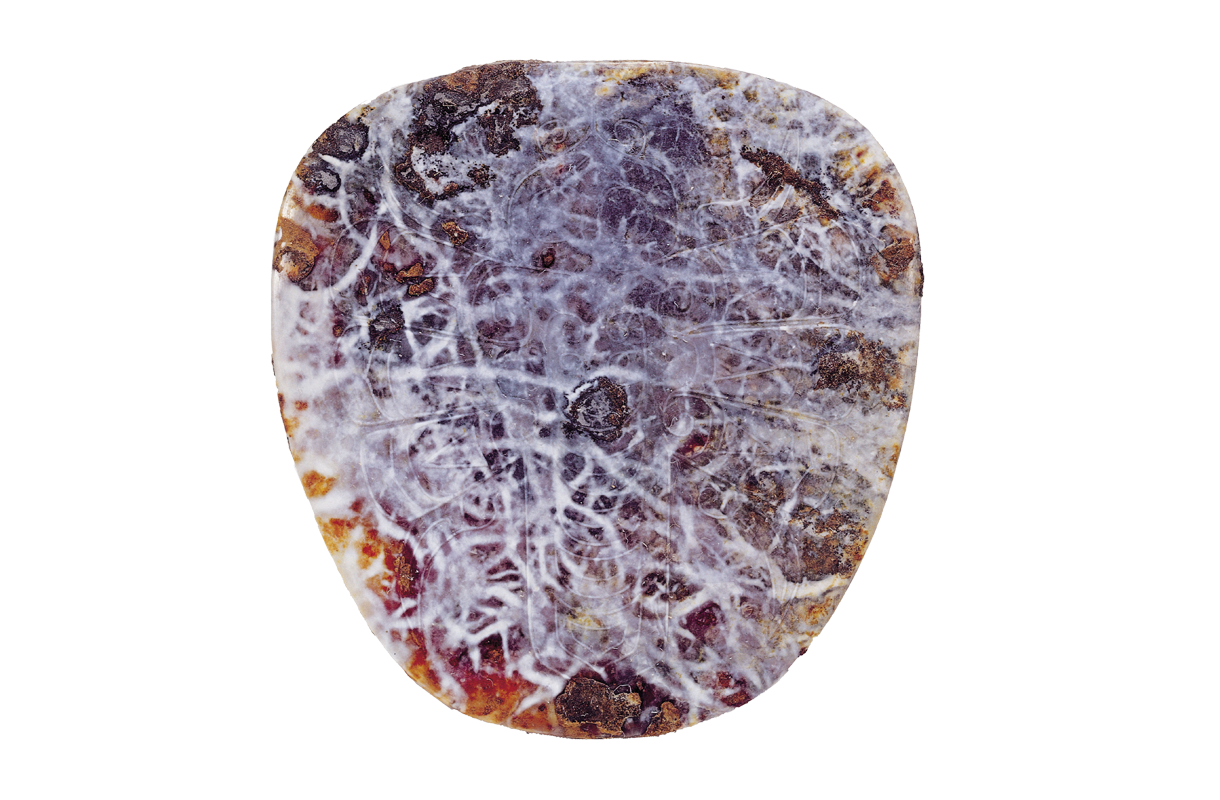
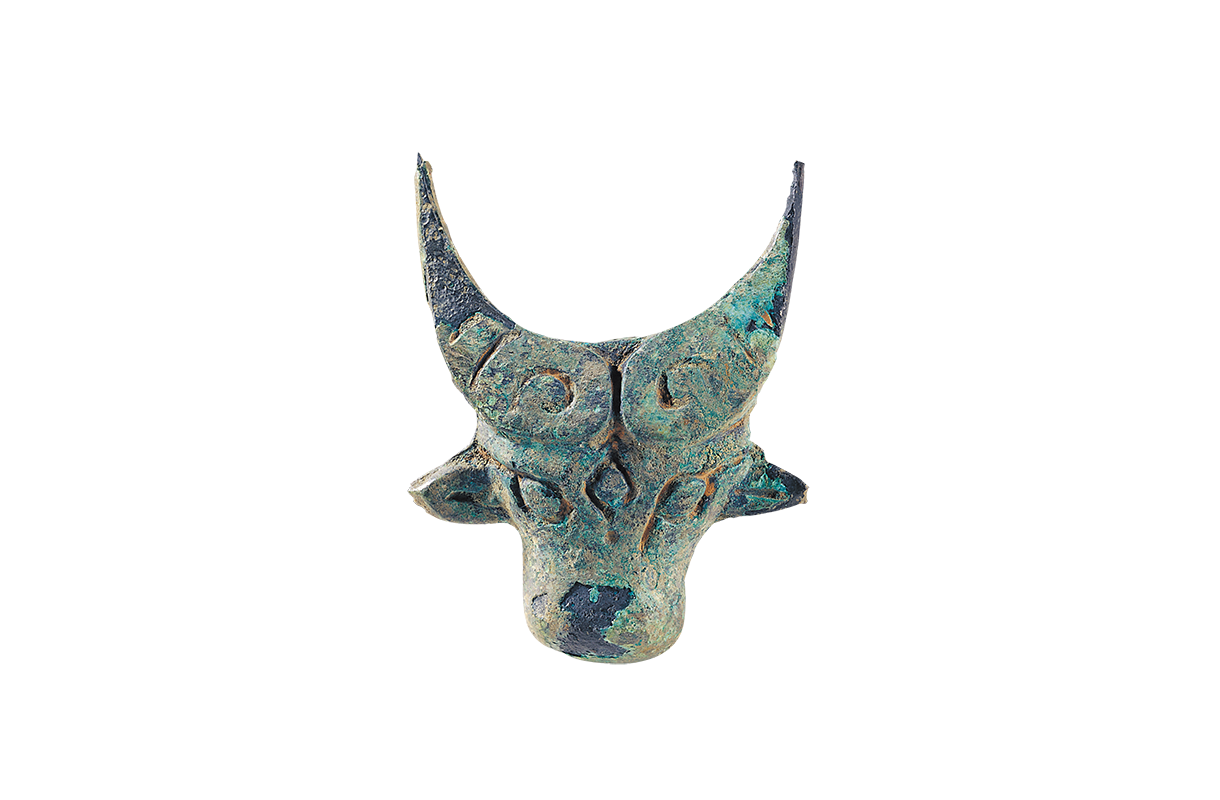
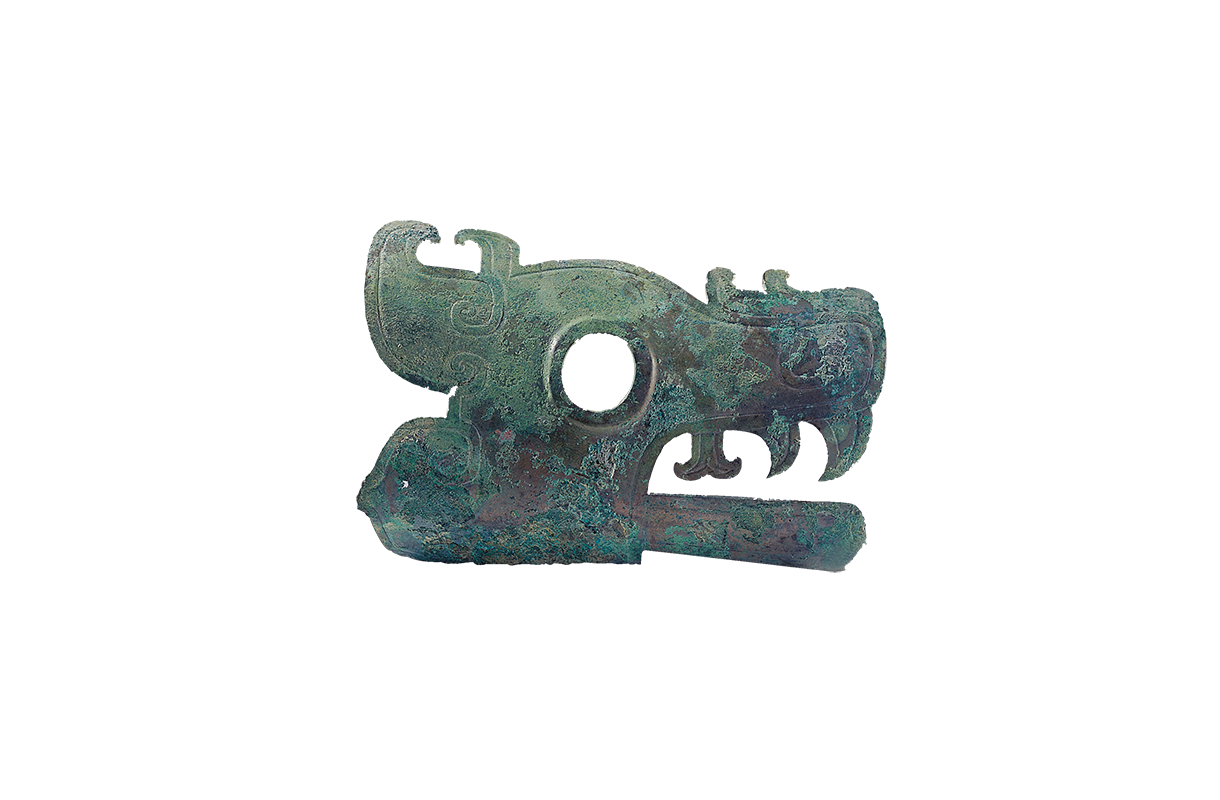
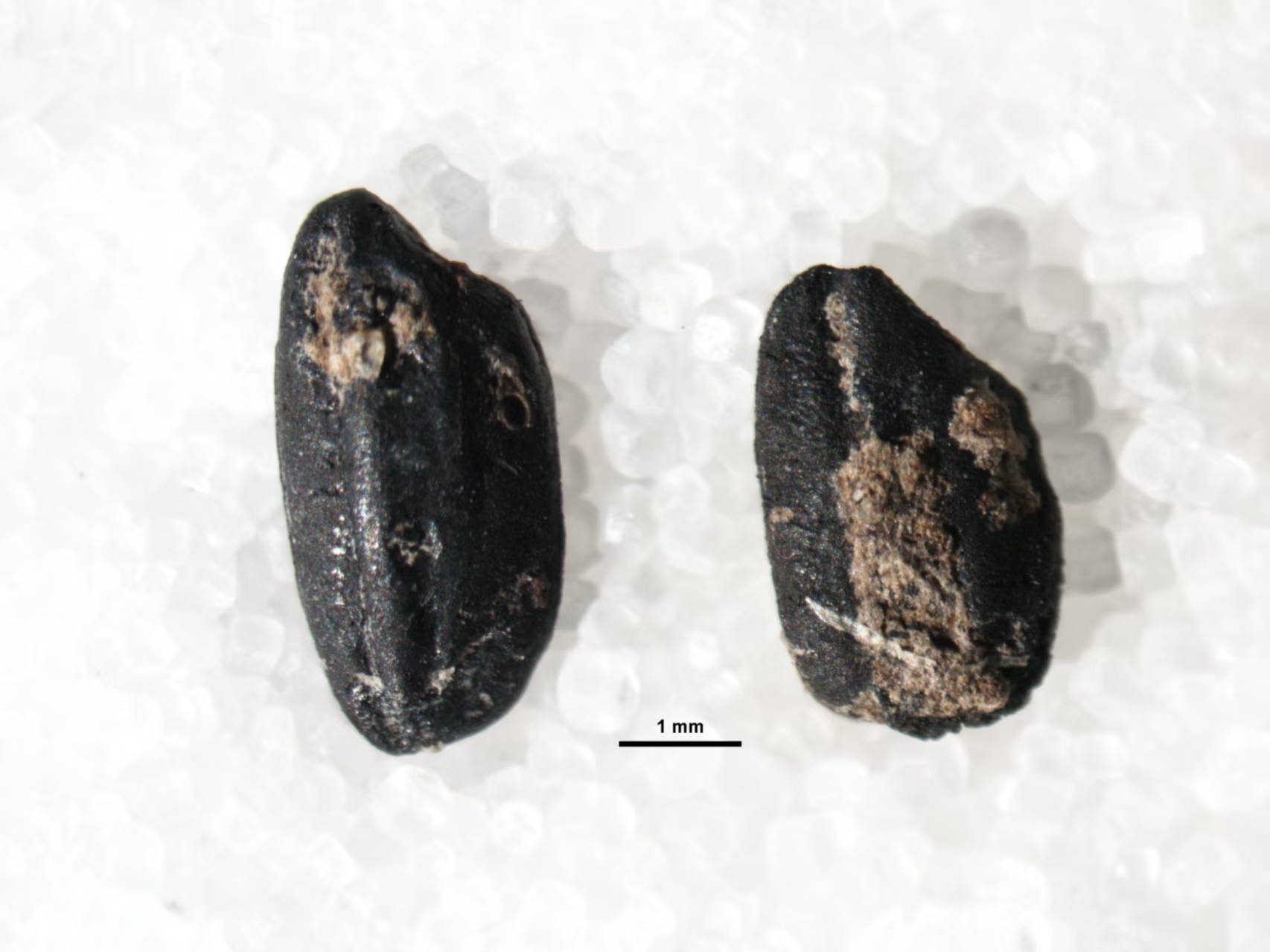
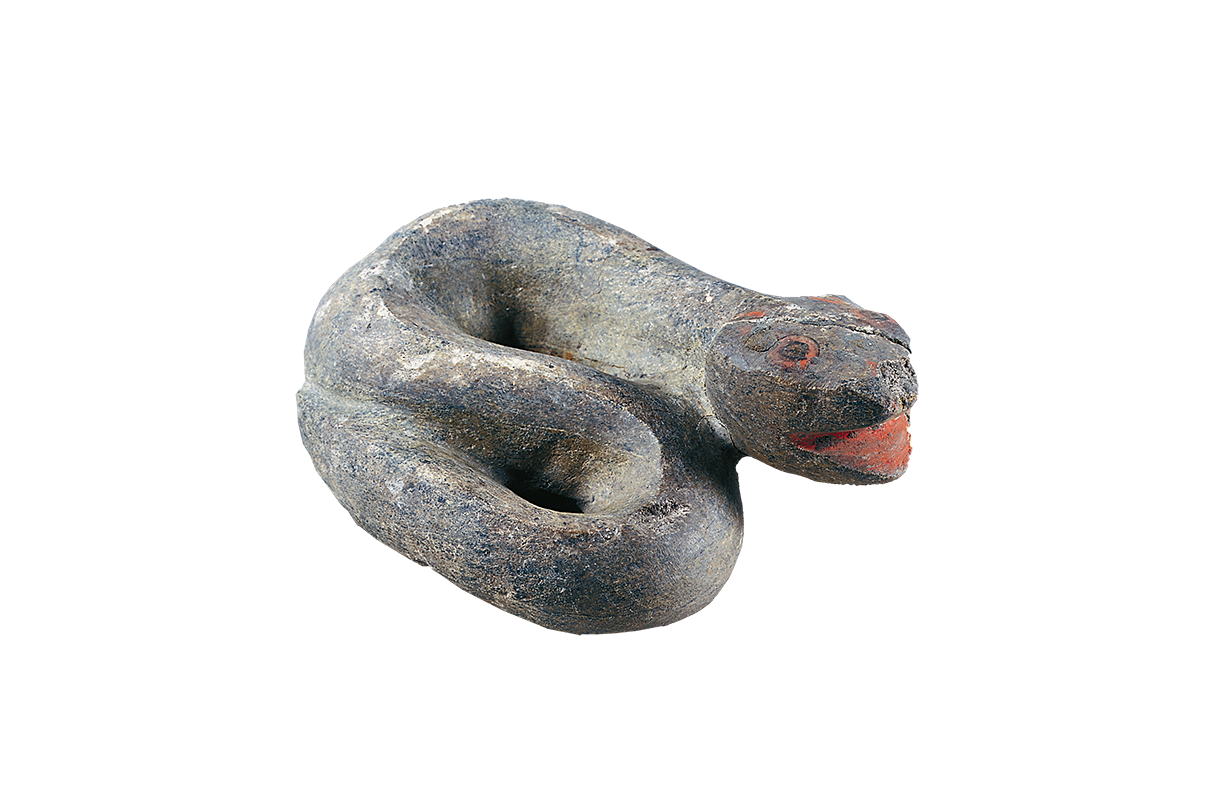
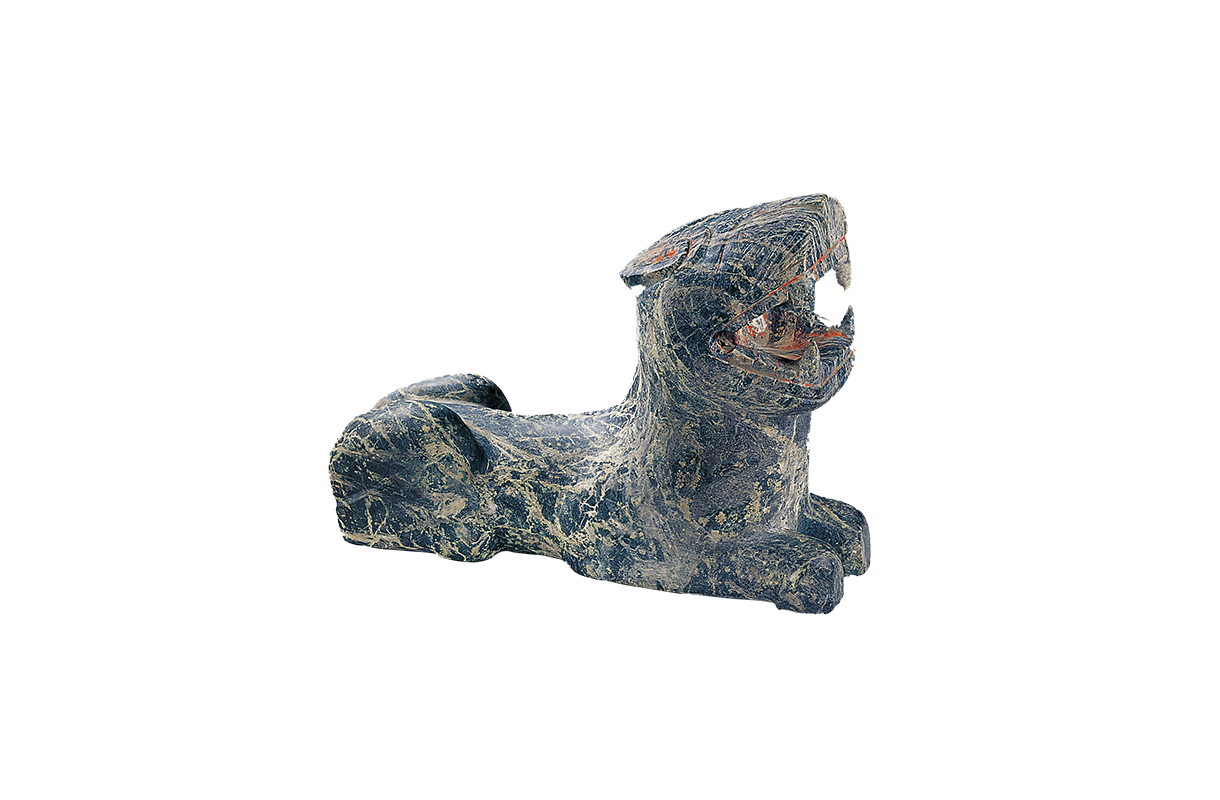
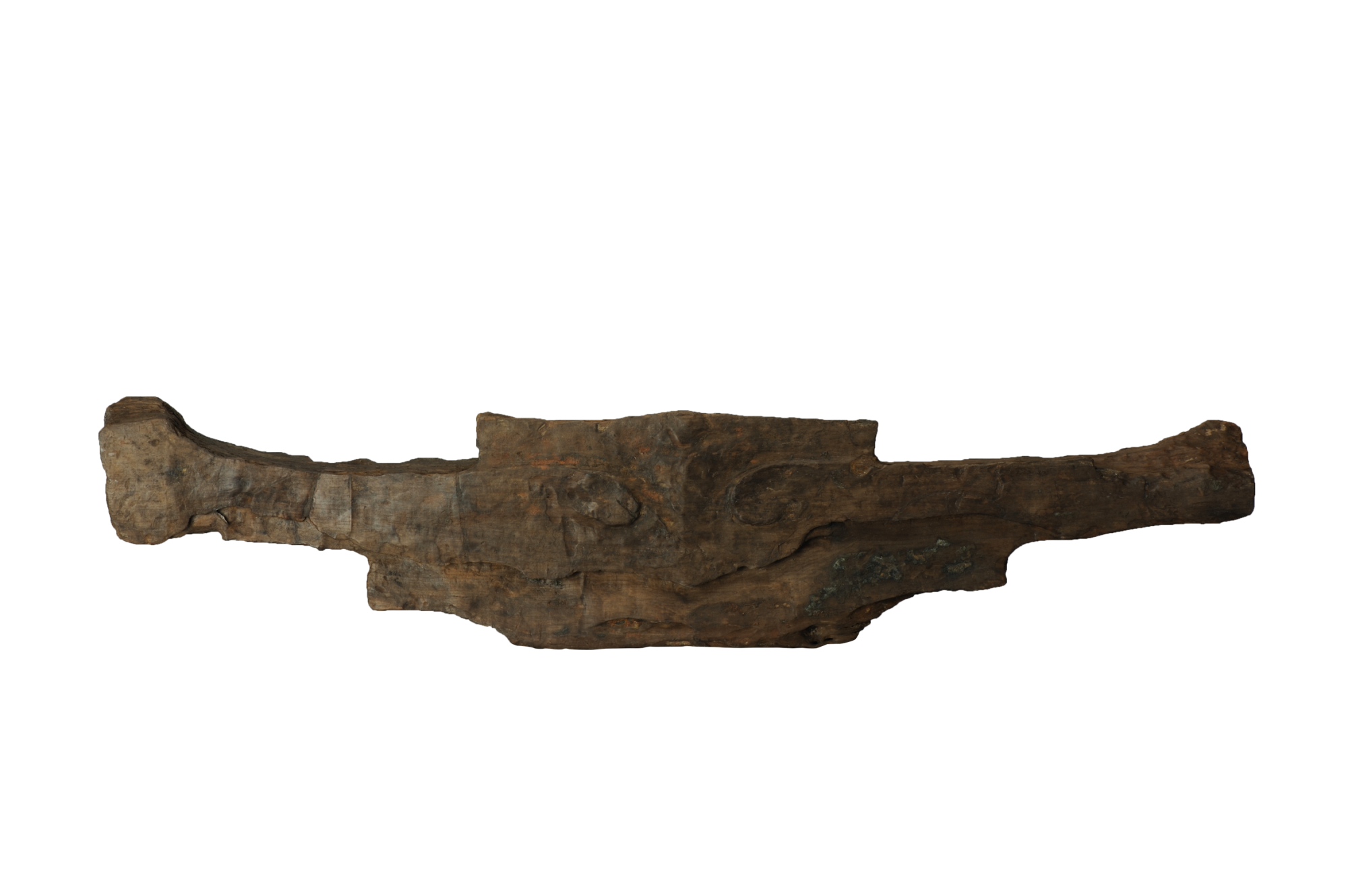
Sanxingdui and Jinsha form the core site complex of an early regional state—the ancient Shu kingdom—established by its people on the Chengdu Plain. Together, they represent the pinnacle of the Bronze Age achievement in the upper Yangtze River region of China, serving as tangible testament to the historical accounts of the ancient Shu kingdom in Chinese records. Spanning thousands of years, the ancient Shu civilization has left behind a remarkable array of precious artifacts, including gold, bronze, jade, stone, and ivory. These relics illuminate a society with distinct theocratic beliefs, profound cosmological views, masterful craftmanship, and the evolving trajectory of its social development.
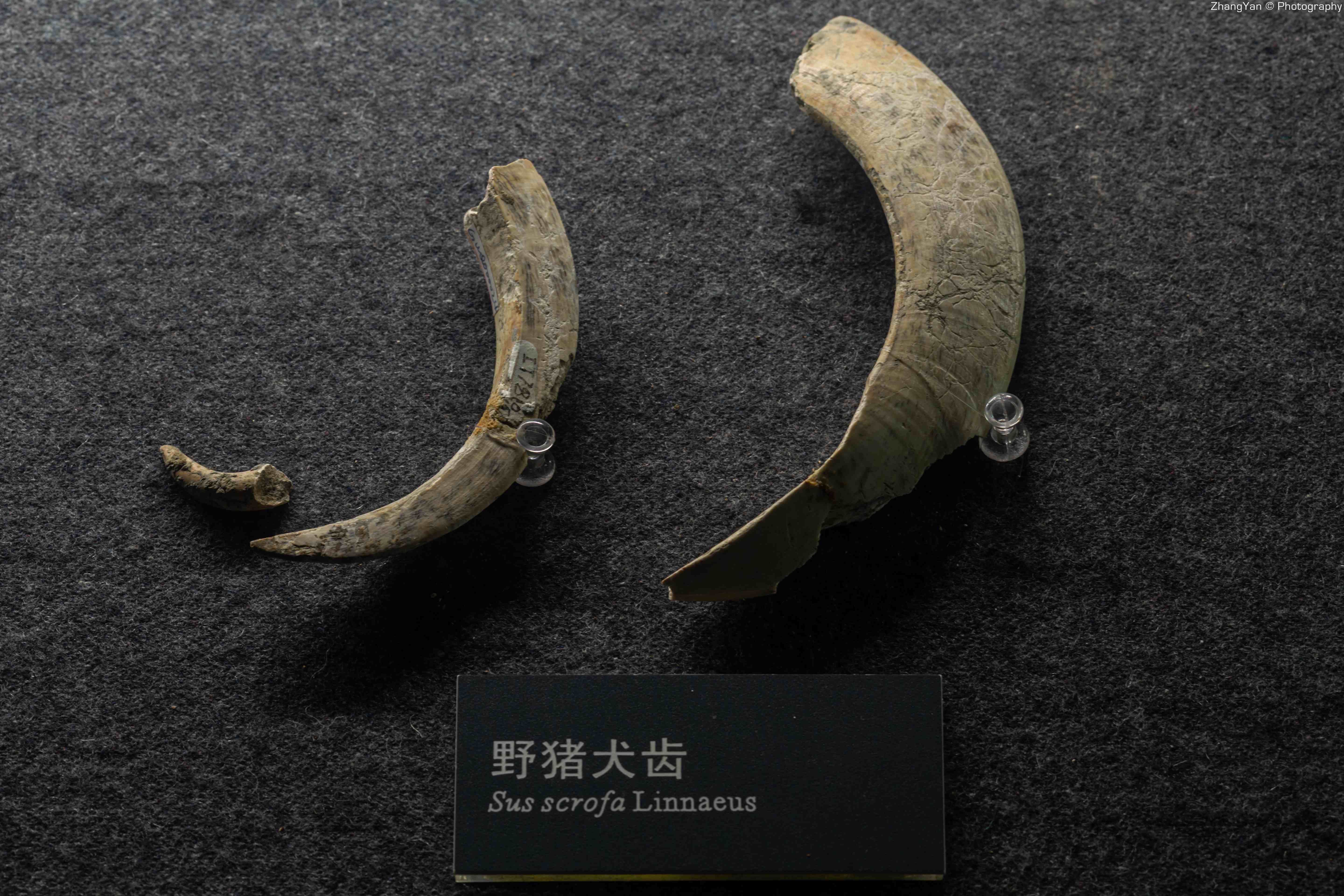
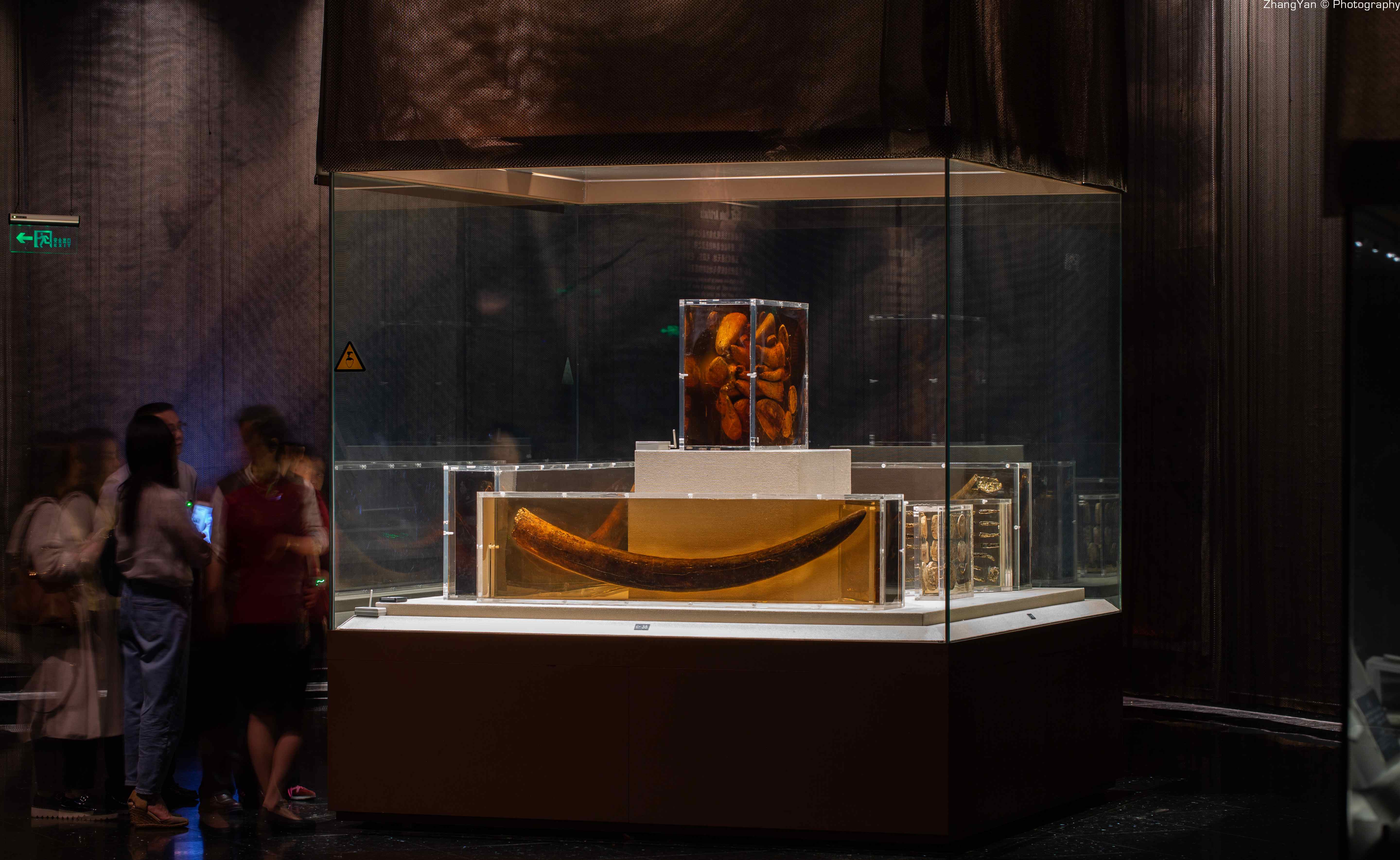
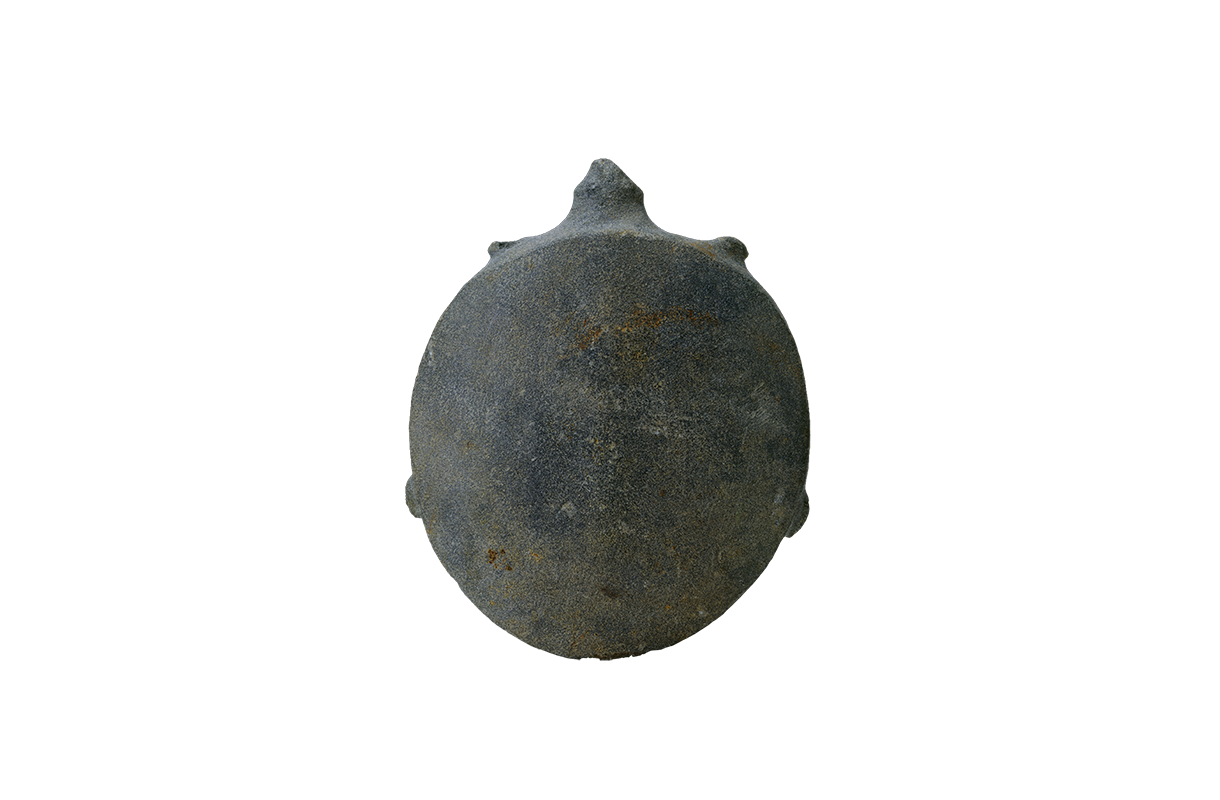
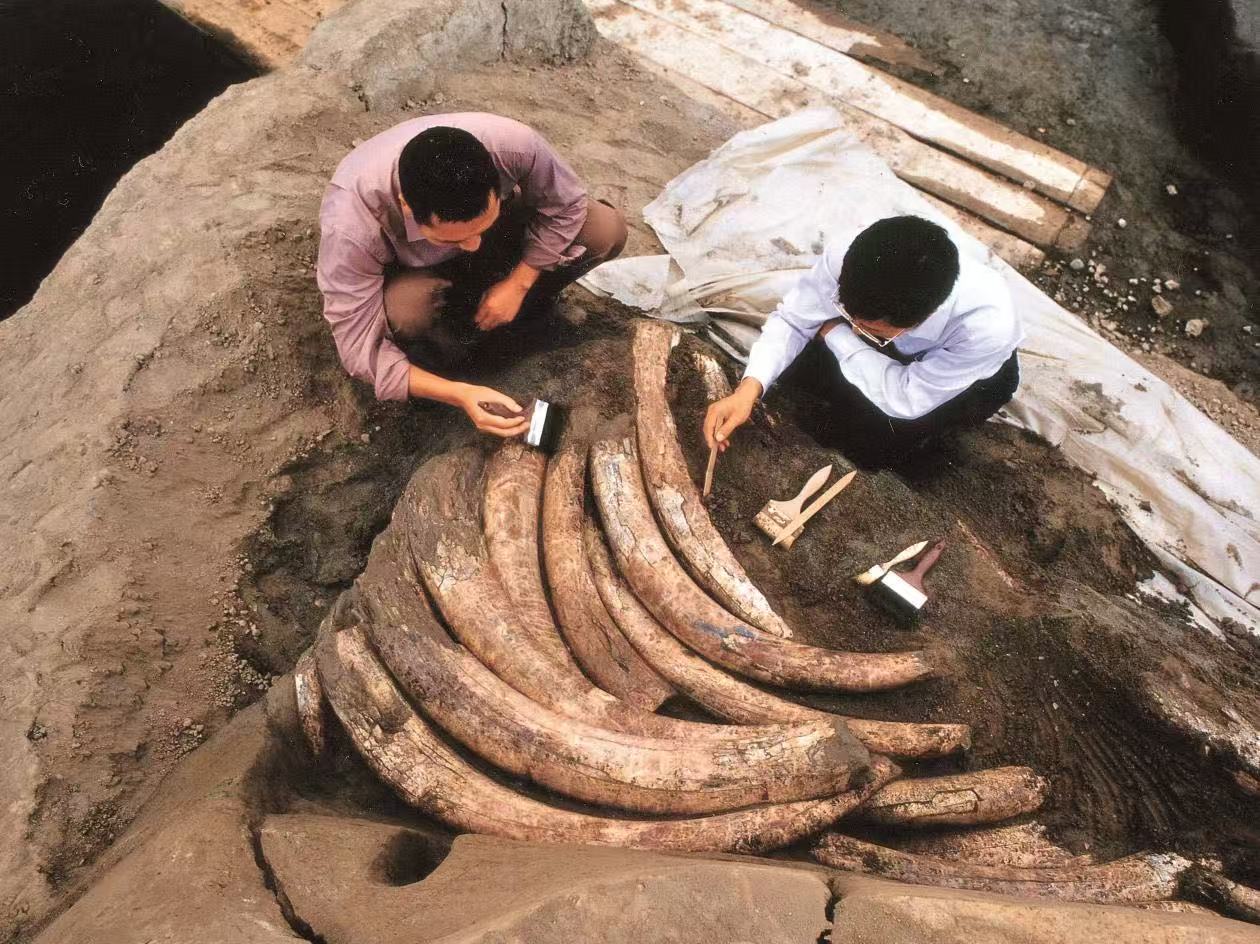
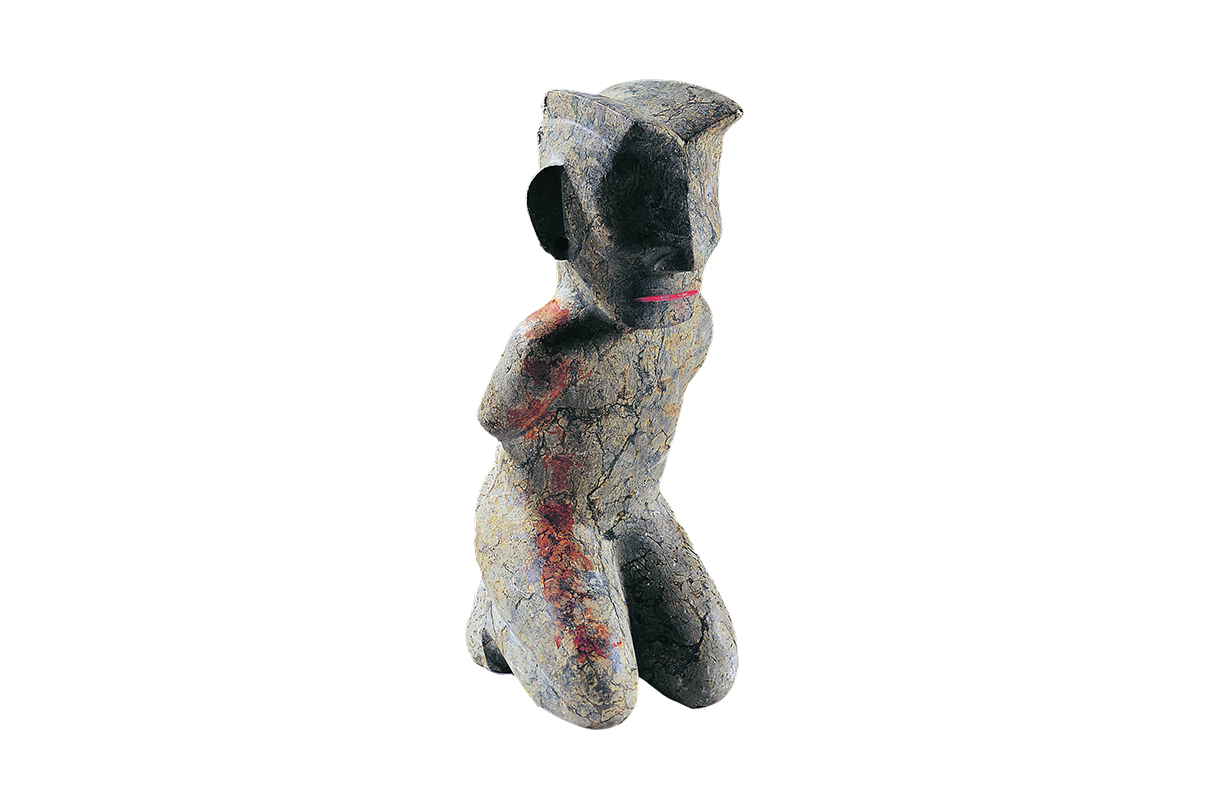
The land of ancient Shu abounded in natural resources—ivory, jade, stone, and more. These not only sustained the material foundations of survival and development, but also served as carriers of their spiritual belief, woven deeply into the fabric of sacrificial rituals and daily life. At Sanxingdui and Jinsha, hundreds of intact ivory tusks have been brought to light. Acquired largely through interregional exchange, they stand as emblems of the ancient Shu people’s capacity to marshal and command resources. The stone tiger and stone kneeling figurine from Jinsha, vividly rendered, offer a tangible window into the sacrificial and offering culture that permeated in ancient Shu ritual practice. In awe of nature yet adept in its utilization, the ancient Shu people transformed natural resources into symbols of belief. In their hands, each remnant of the natural world became a nexus linking the material and the spiritual and an enduring testament to the dynamic exchange of resources and cultural convergence between ancient Shu realm and its surrounding regions.