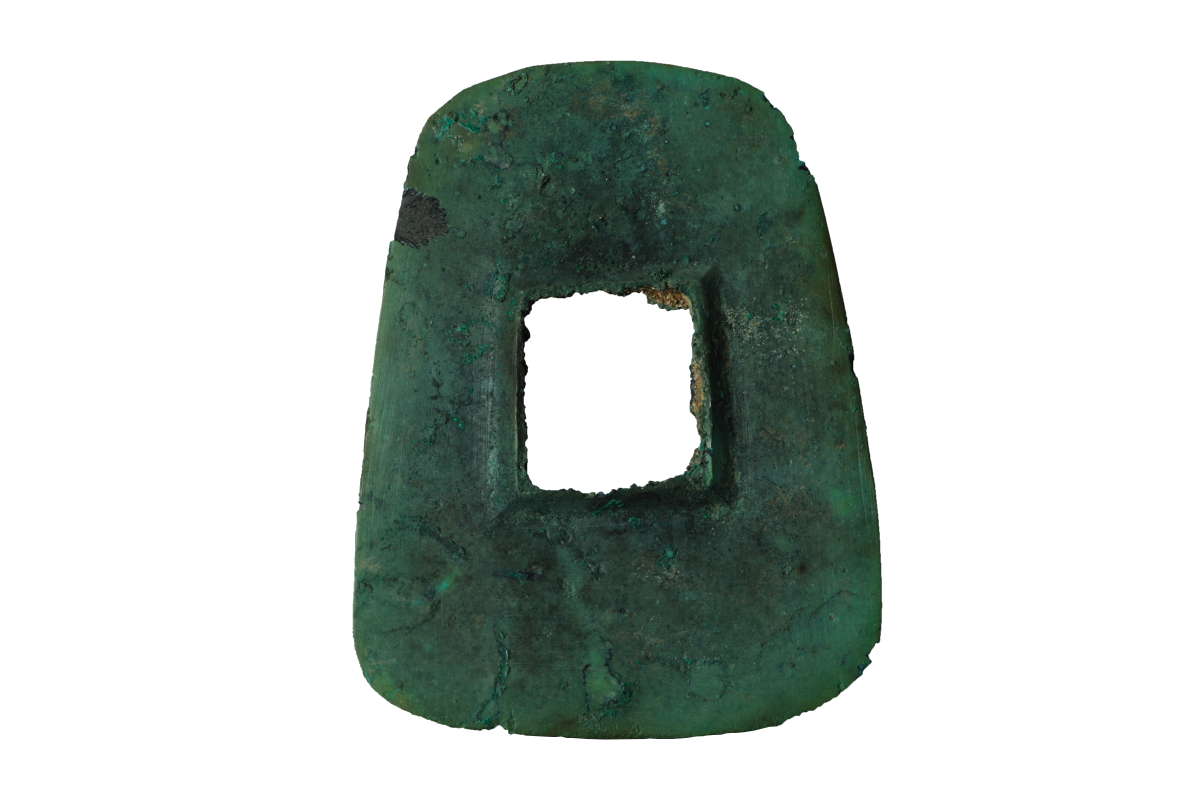
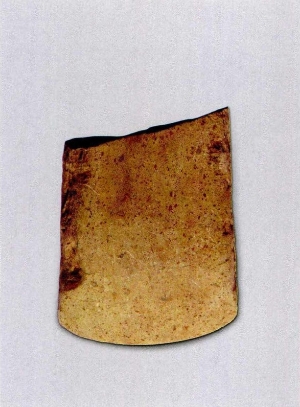
Sanxingdui and Jinsha form the core site complex of an early regional state—the ancient Shu kingdom—established by its people on the Chengdu Plain. Together, they represent the pinnacle of the Bronze Age achievement in the upper Yangtze River region of China, serving as tangible testament to the historical accounts of the ancient Shu kingdom in Chinese records. Spanning thousands of years, the ancient Shu civilization has left behind a remarkable array of precious artifacts, including gold, bronze, jade, stone, and ivory. These relics illuminate a society with distinct theocratic beliefs, profound cosmological views, masterful craftmanship, and the evolving trajectory of its social development.
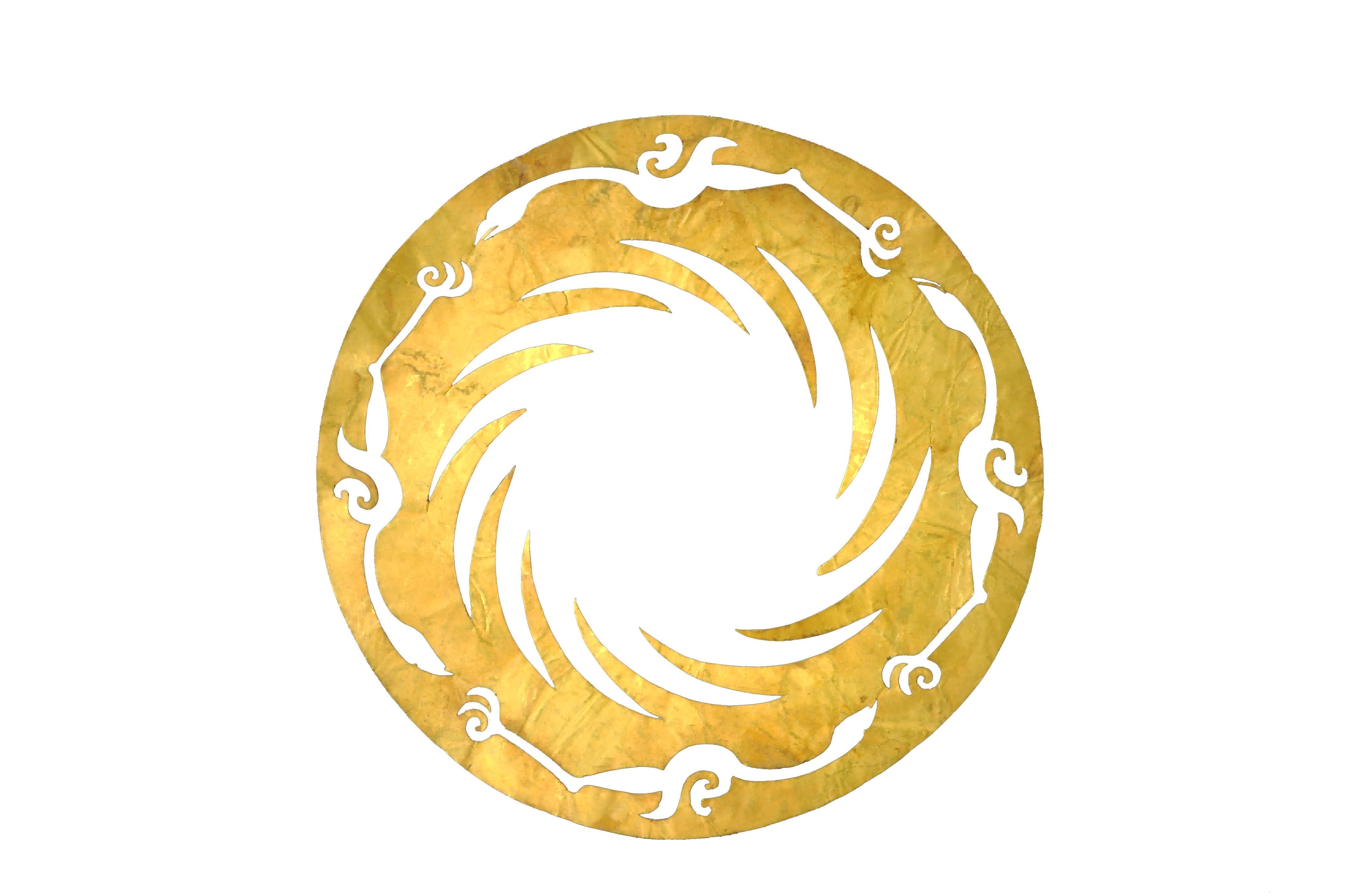
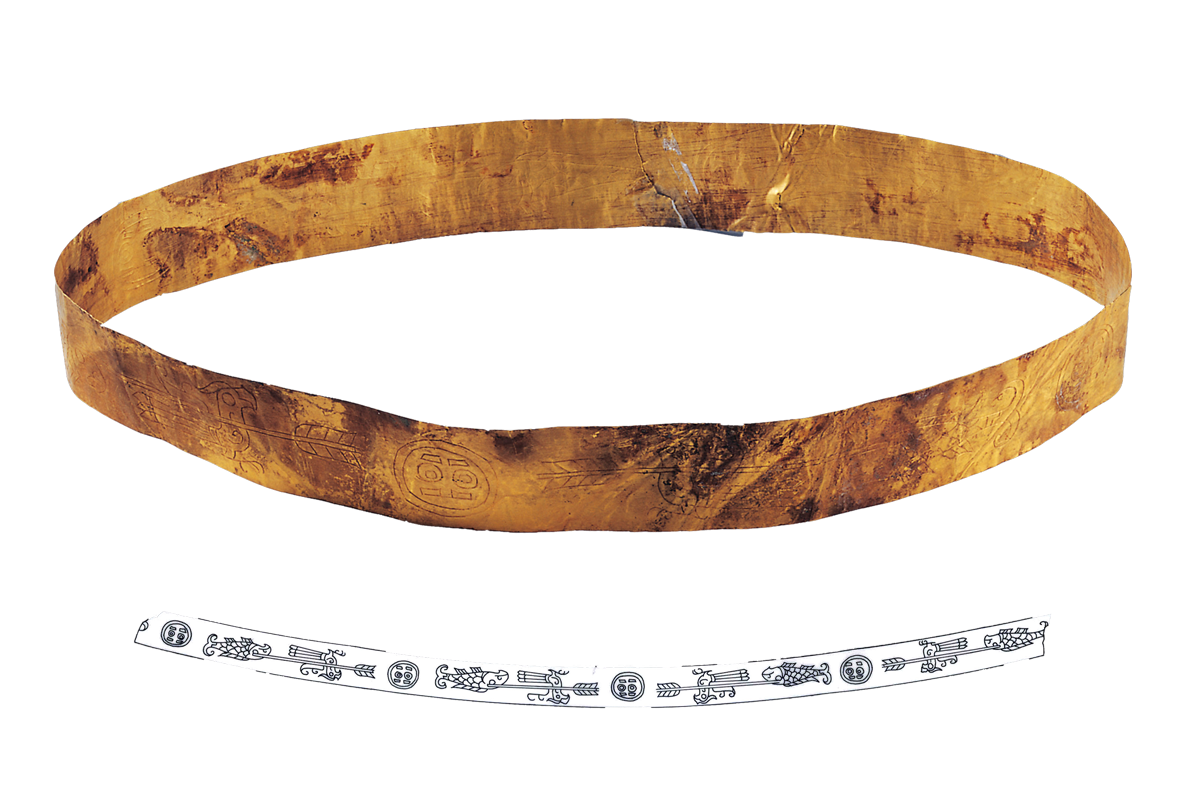
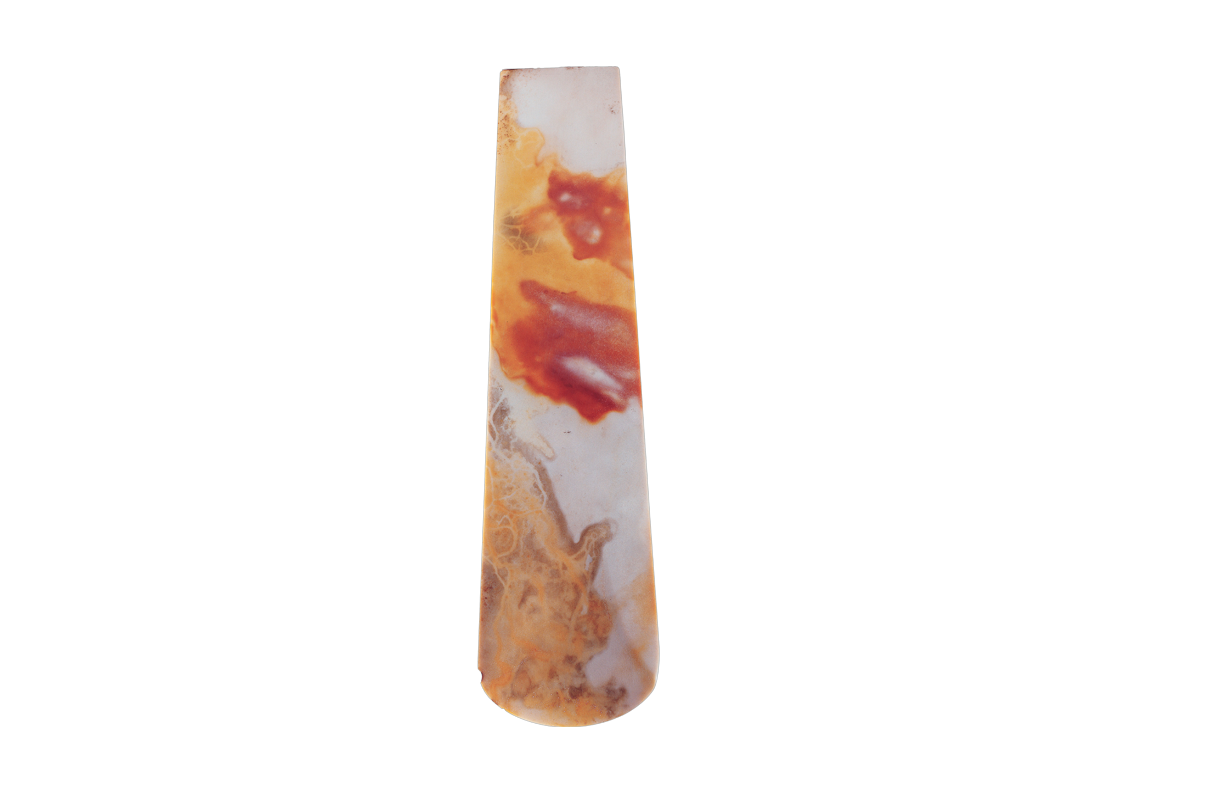
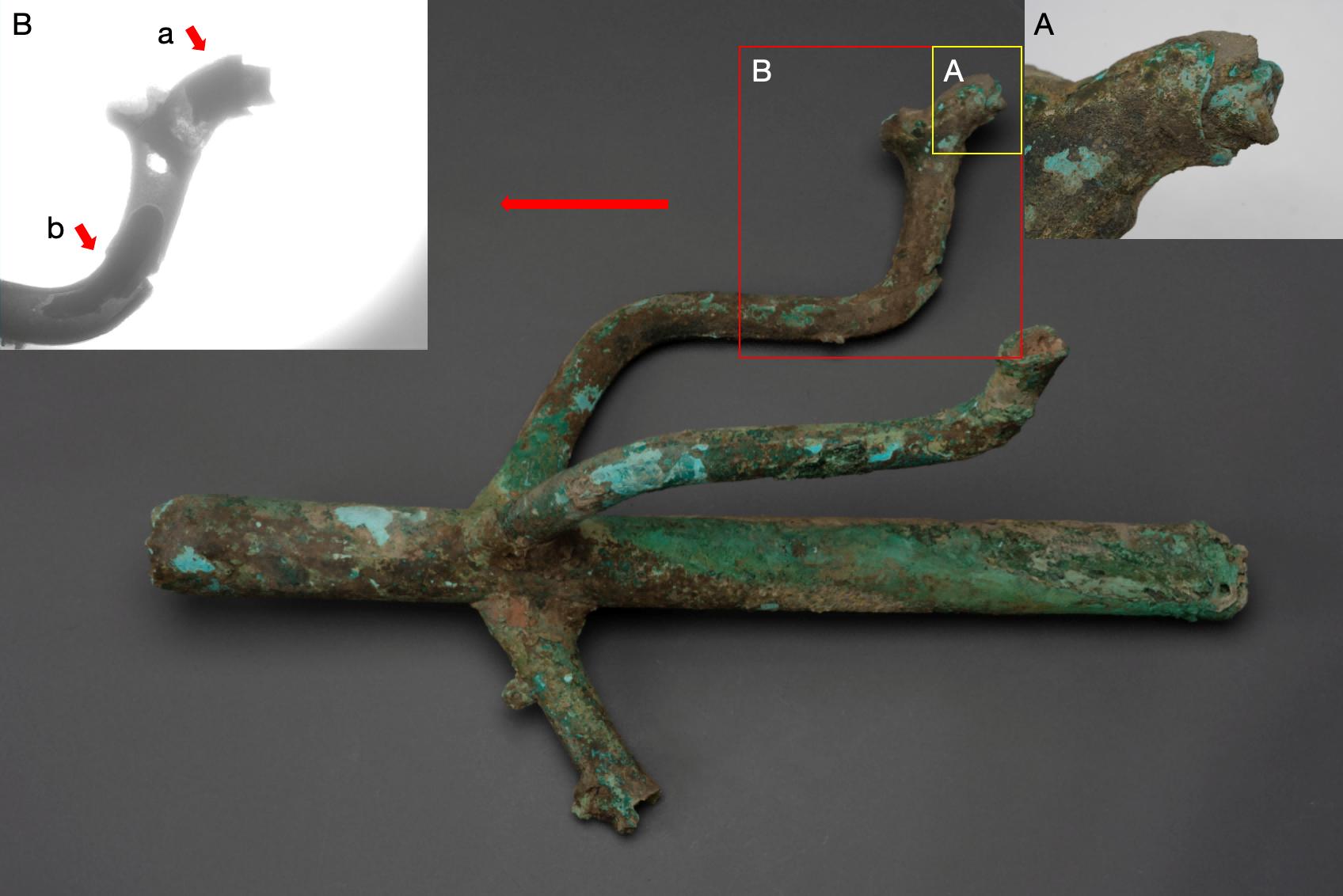
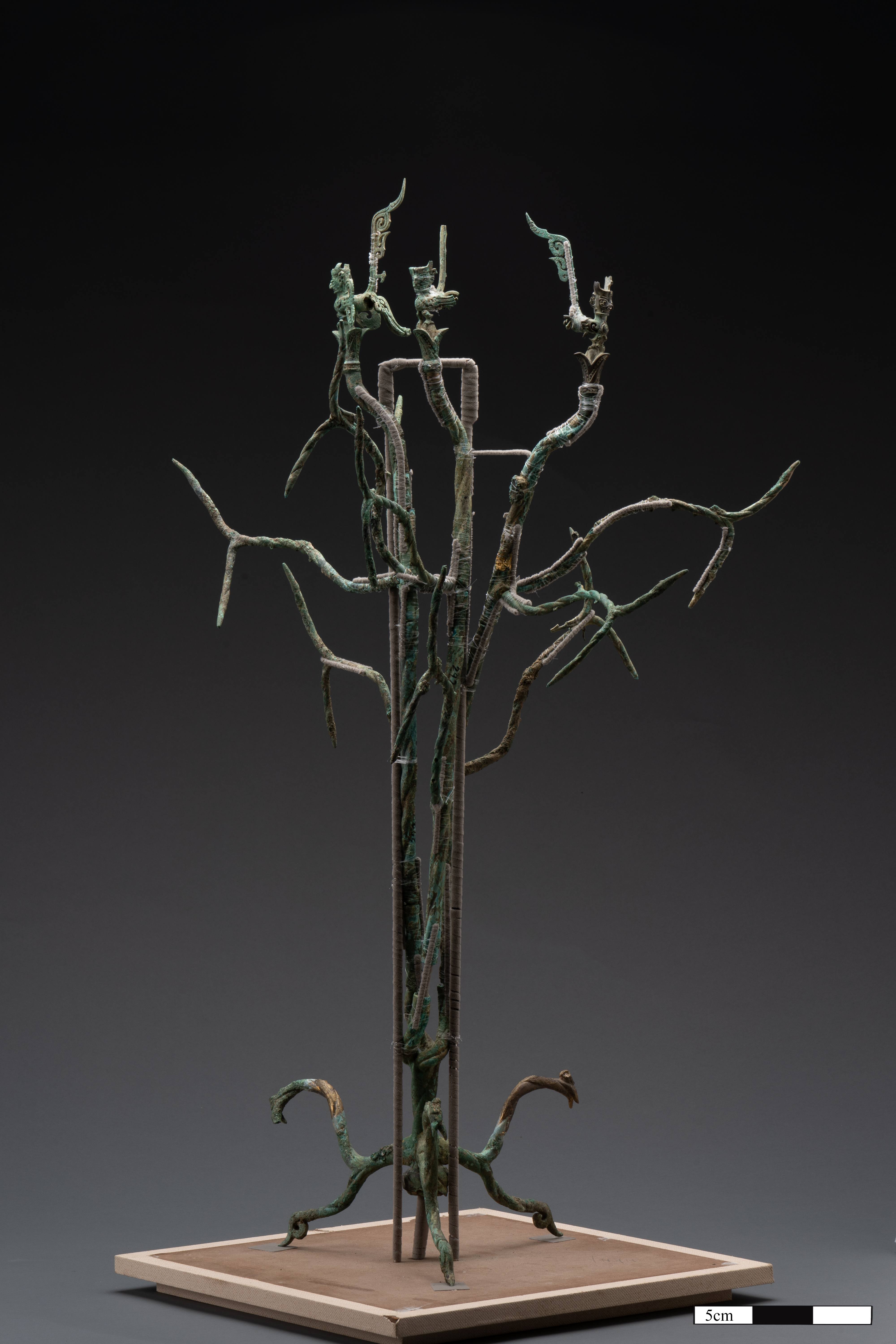
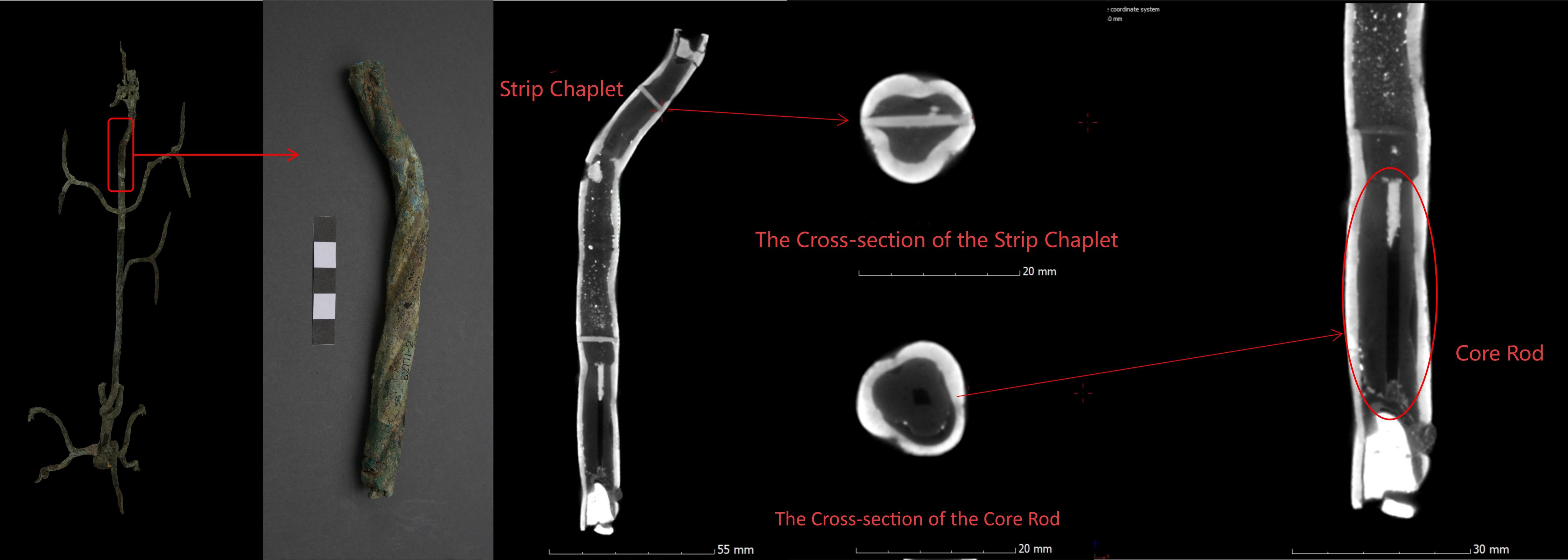
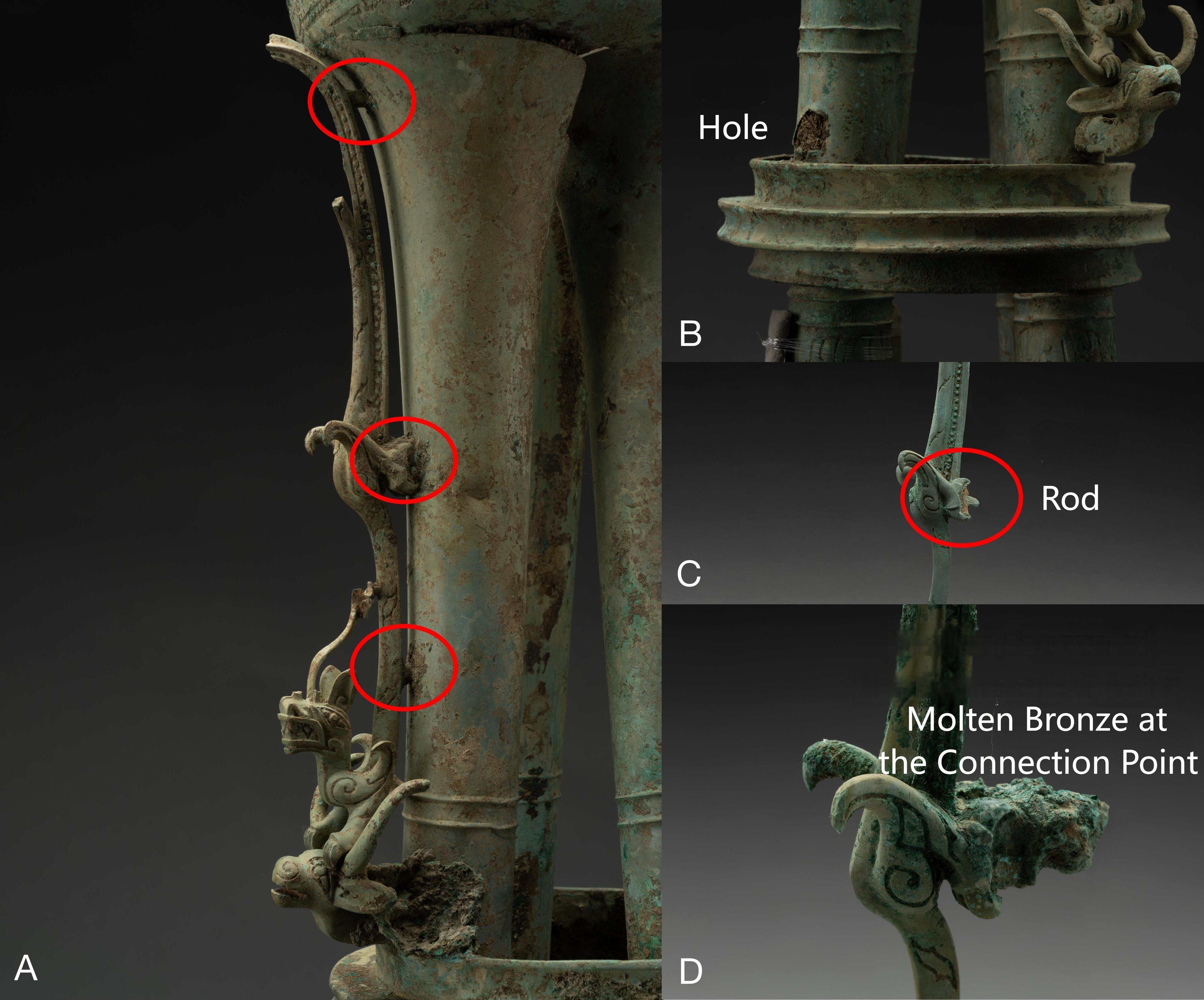
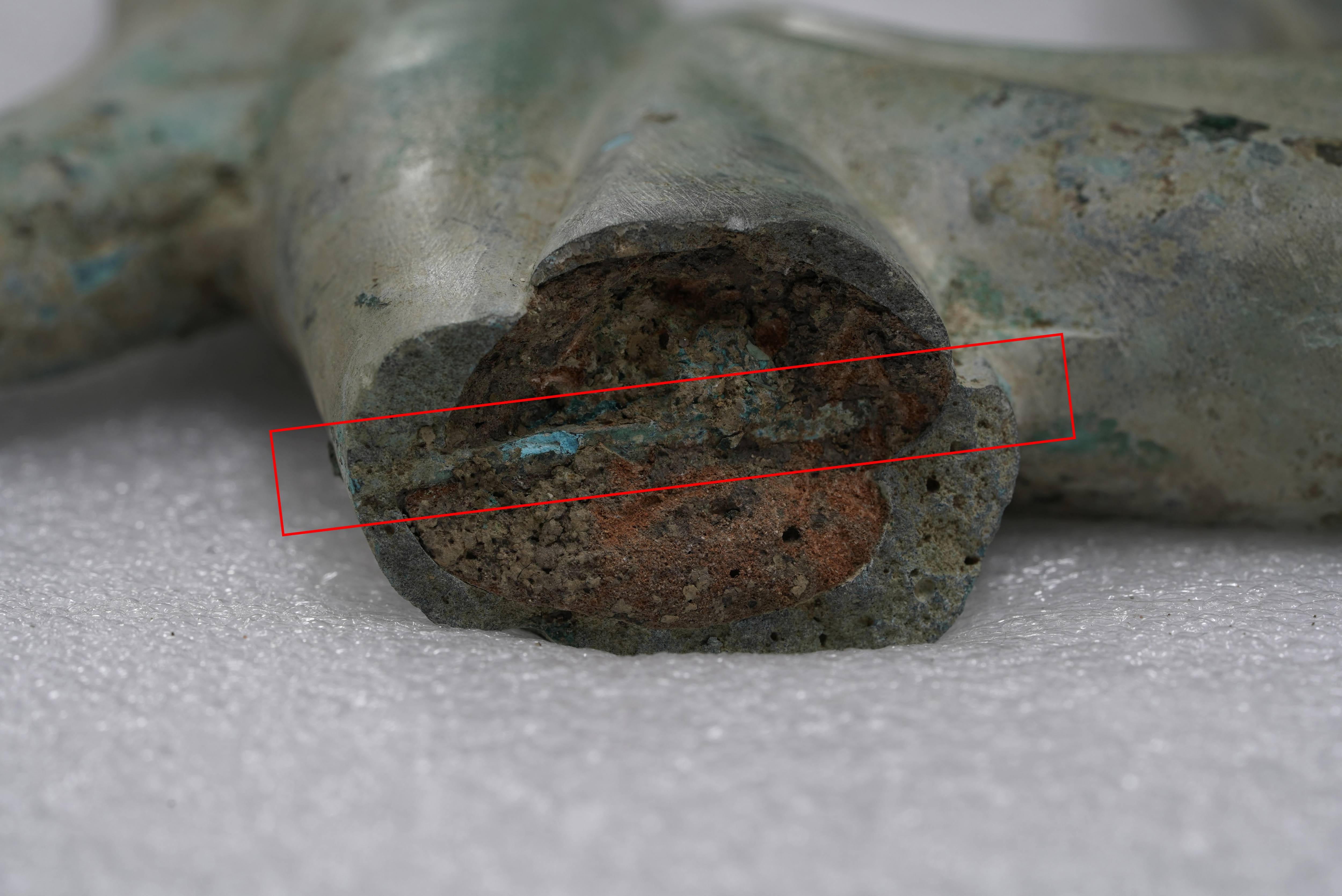
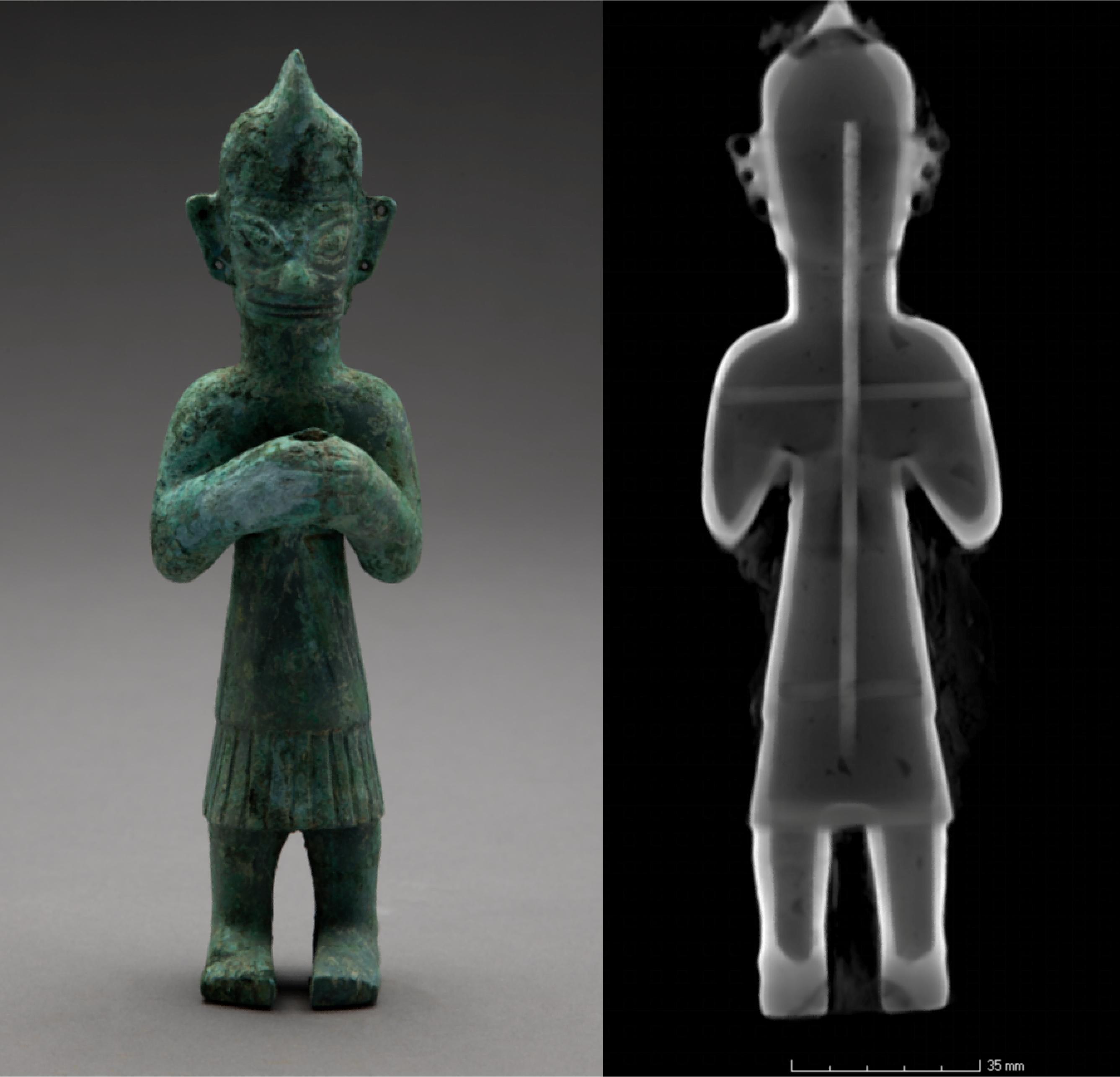
The brilliance of ancient Shu civilization is inseparable from the ultimate spirit of craftsmanship embodied by its people. From the “core rod and strip chaplets” technique in bronze casting, to the hammering and chiseling of gold, and the meticulous carving of jade, the ancient Shu people pushed early handicraft technology to its peak. The casting of the Sanxingdui bronze sacred tree employed a unique technique of “core rod and strip chaplets”, allowing massive bronze components to be formed with astonishing precision. The Sun and Immortal Birds Gold Ornament from Jinsha, a mere 0.02 cm in thickness, bears intricate incised patterns of breathtaking complexity. Jade processing demanded a rigorous sequence of cutting, carving, grinding, and polishing. These achievements represent far more than mere technical skill; they are the embodiment of art itself. The ancient Shu people infused every tool and finished object with creativity and wisdom, making the spirit of craftsmanship a driving force in the transmission of civilization and bequeathing a precious technological legacy for the broader development of ancient Chinese handicrafts.