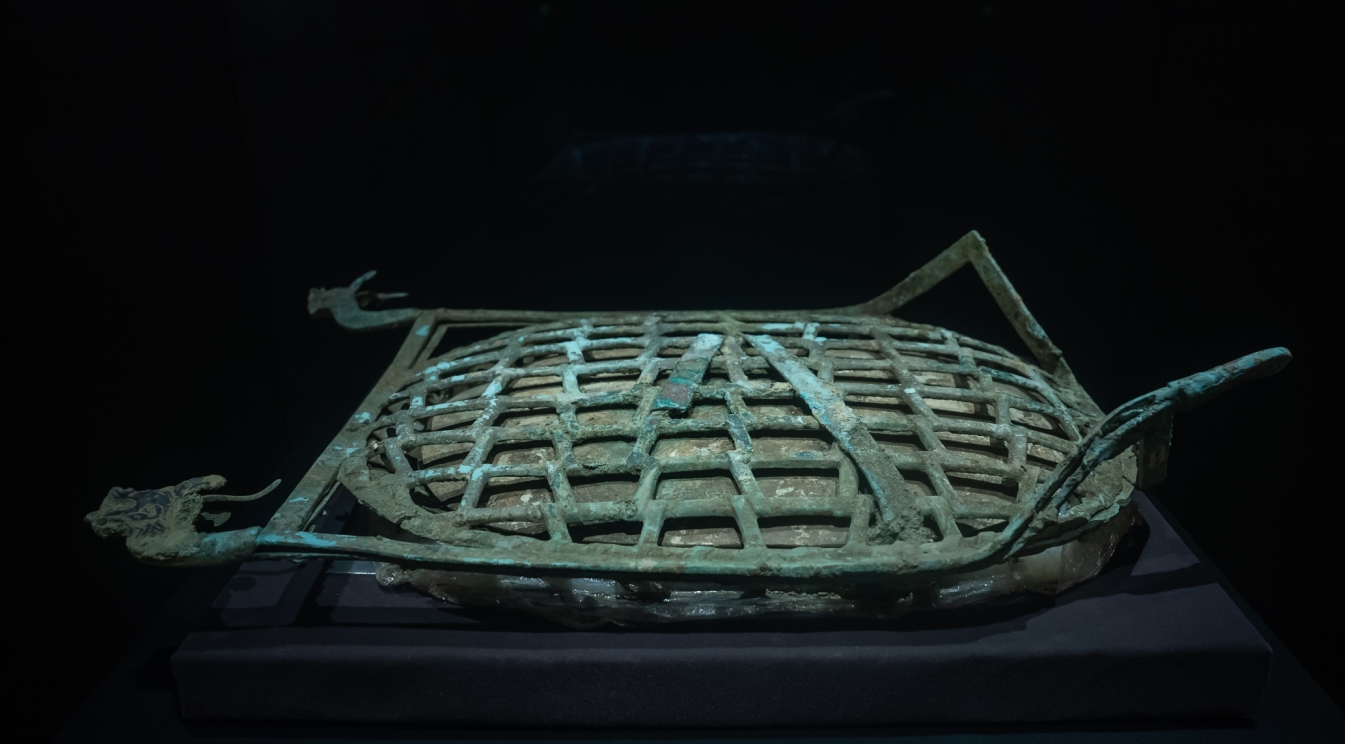
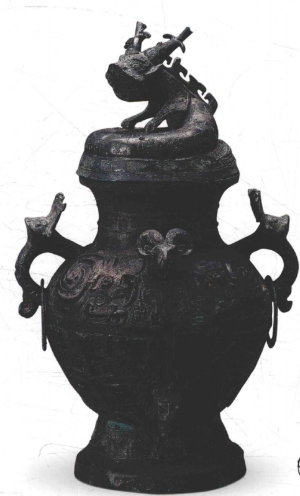
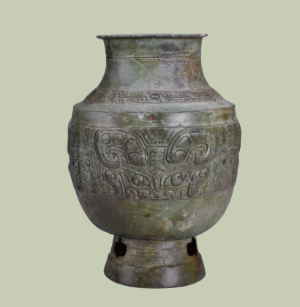
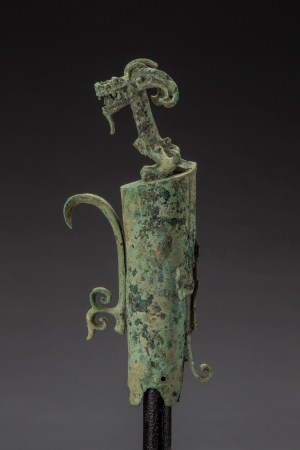

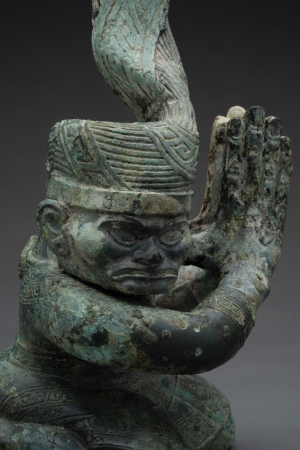
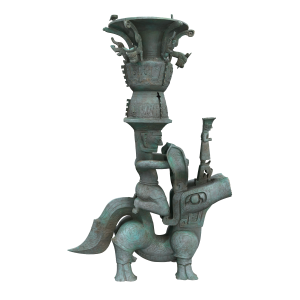
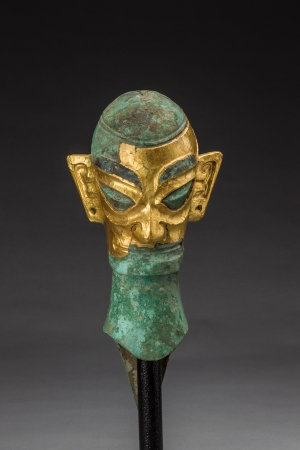
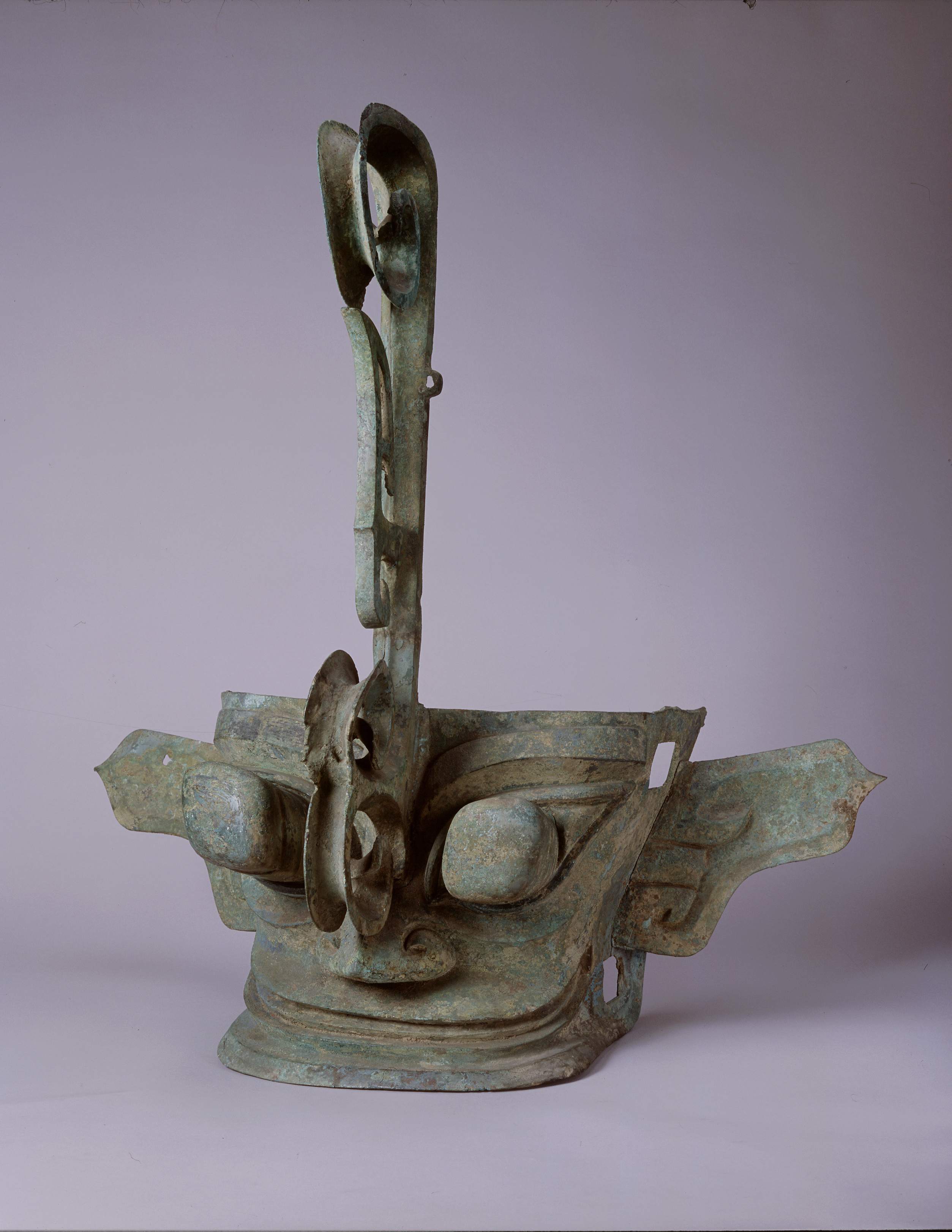
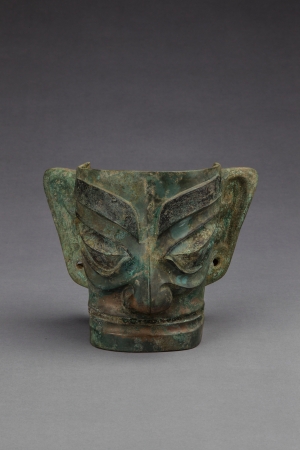
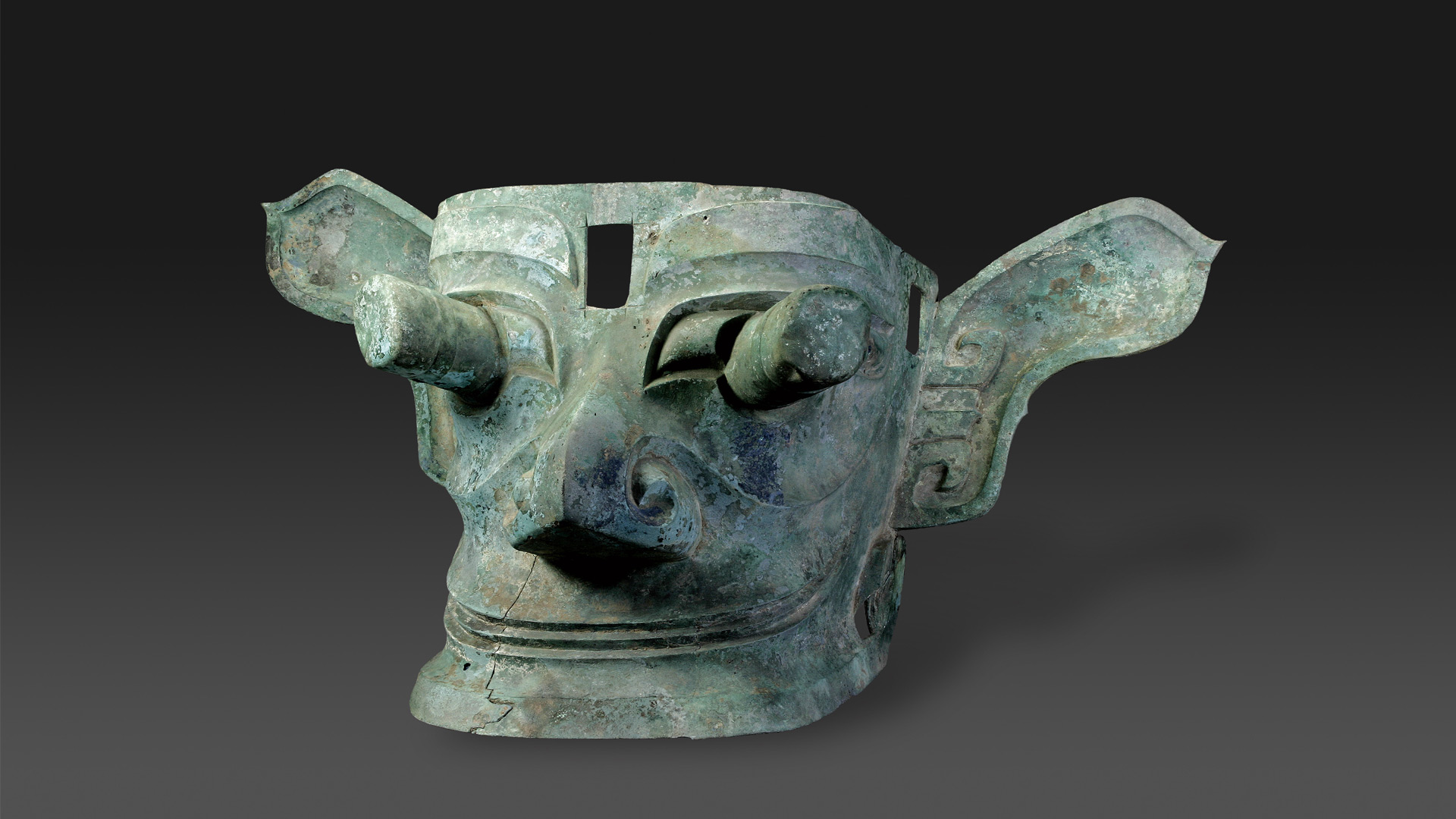
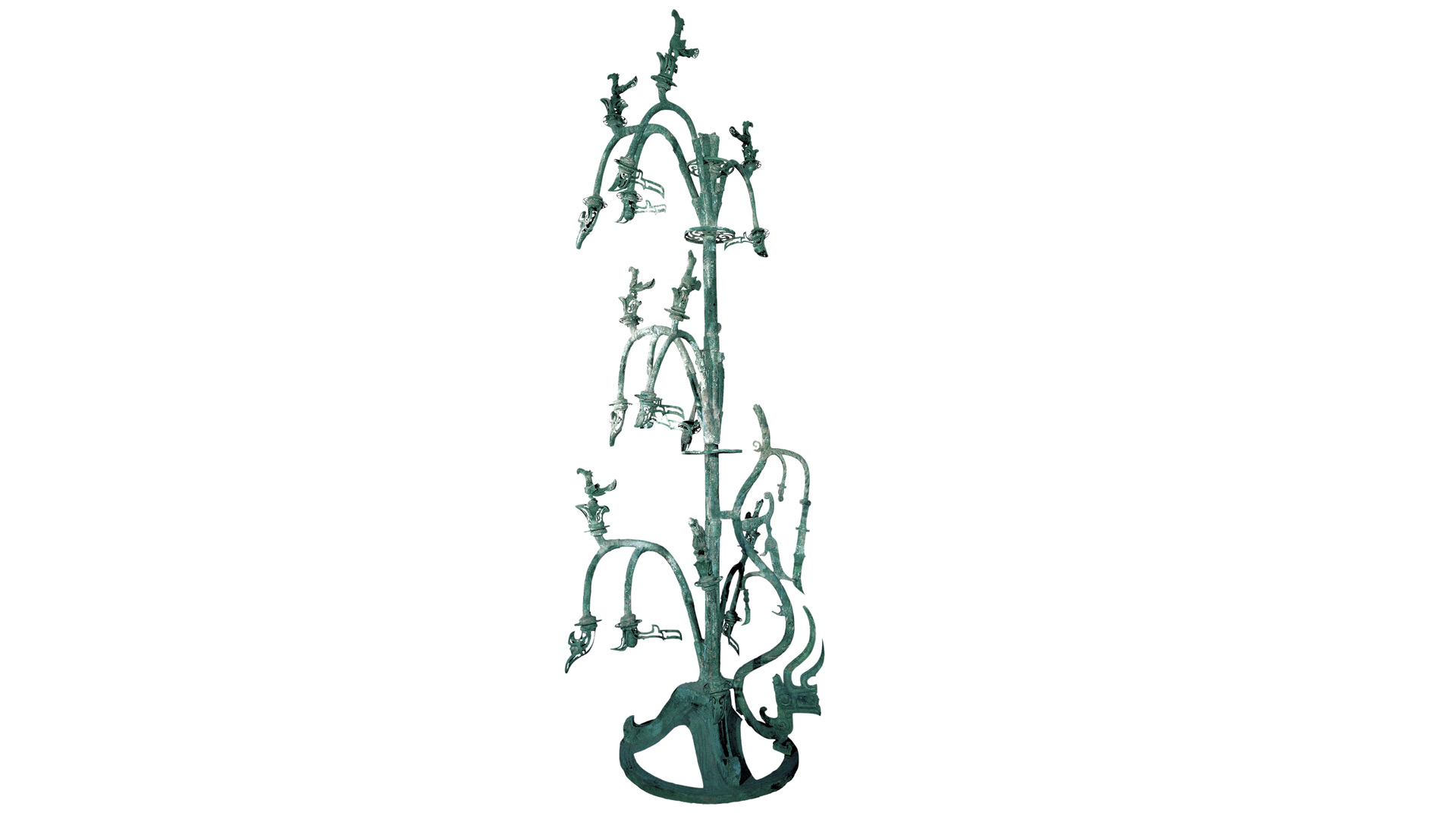
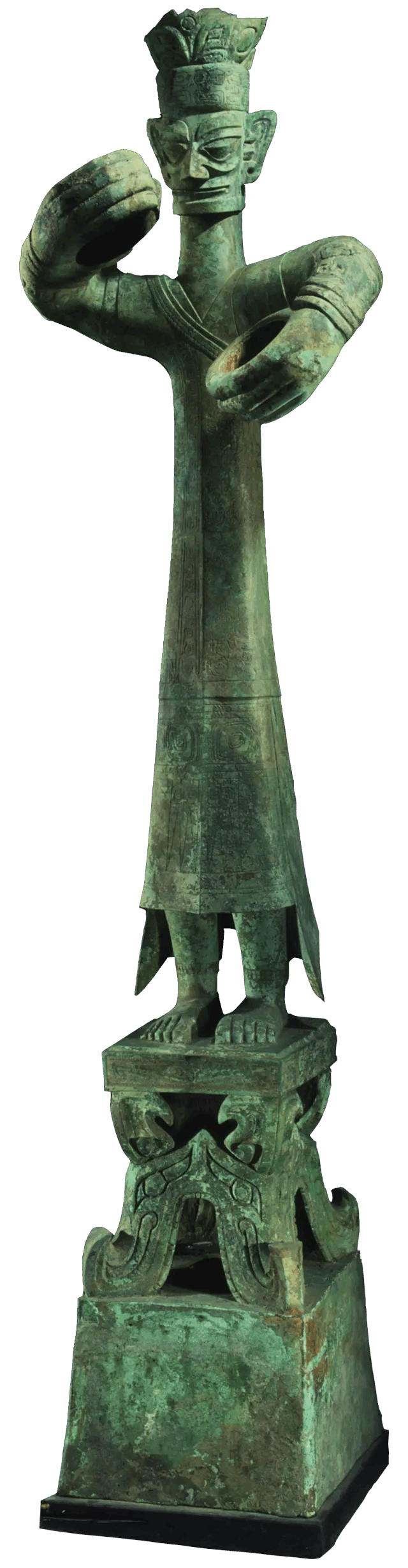
Sanxingdui and Jinsha form the core site complex of an early regional state—the ancient Shu kingdom—established by its people on the Chengdu Plain. Together, they represent the pinnacle of the Bronze Age achievement in the upper Yangtze River region of China, serving as tangible testament to the historical accounts of the ancient Shu kingdom in Chinese records. Spanning thousands of years, the ancient Shu civilization has left behind a remarkable array of precious artifacts, including gold, bronze, jade, stone, and ivory. These relics illuminate a society with distinct theocratic beliefs, profound cosmological views, masterful craftmanship, and the evolving trajectory of its social development.
The bronze civilization of Sanxingdui represents the most extraordinary chapter in the history of ancient Shu. During the late Shang Dynasty (3000–3200 years ago), the ancient Shu people brought bronze casting to the technological zenith of their time. These monumental, strikingly unique bronzes were not mere utilitarian objects, but rather ritual implements—crafted specifically for communing with heaven, earth, and the spirits. As such, they stand as a powerful testament to the deep intertwining of theocratic authority and royal power in ancient Shu. Unearthed in concentrated clusters from the sacrificial pits, artifacts such as the bronze standing figure, sacred trees, and masks were deliberately buried with meticulous care. They embody the ancient Shu people’s profound reverence for the cosmos and the spiritual realm, while simultaneously bearing witness to the kingdom’s sophisticated social organization and belief system. Today, these remarkable objects serve as the key to deciphering the nature of ancient Shu’s theocratic society.